This site contains affiliate links, view the disclosure for more information.
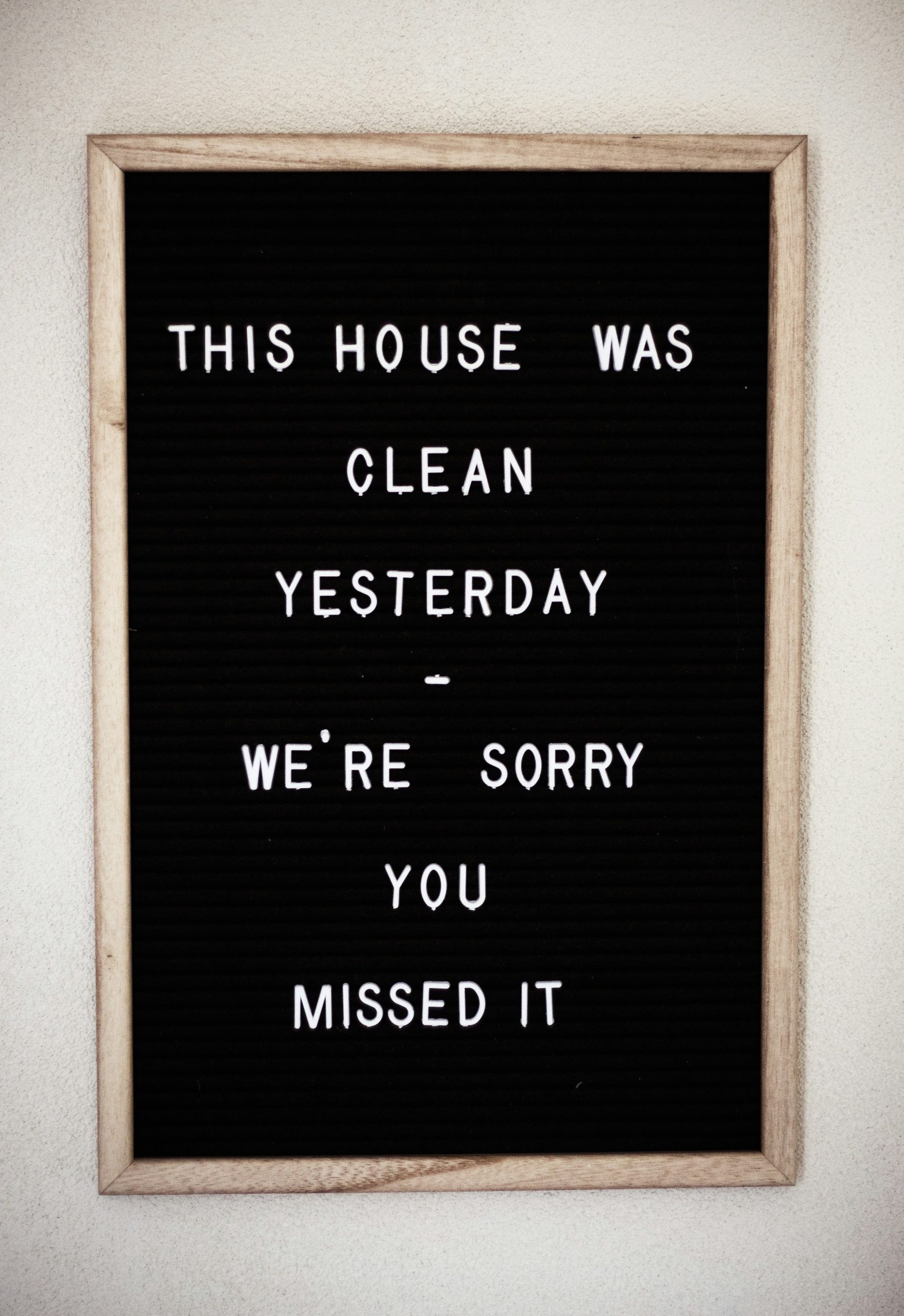
If your space feels chaotic or heavy, learning how to reset your home can make a huge difference, even when you only have an hour.
Life gets busy, and most of us don’t have the time or mental bandwidth to constantly stay on top of our homes. Cleaning gets pushed aside, clutter starts piling up, and suddenly your space feels overwhelming, not because you don’t care, but because you’re exhausted.
If this sounds familiar, know this: you’re not alone.
The busier our lives get, the more we prioritize just to survive. There simply isn’t enough time in the day to do everything, especially when you’re caring for more than just yourself.
And while our homes may not always be the top priority, they are where we rest. And rest matters. Without it, we can’t function at our best.
Resetting your home doesn’t mean deep cleaning or doing everything at once. Sometimes, all it takes is a simple home reset, one focused hour to bring things back into balance.
What Does It Mean To Reset Your Home?
Resetting your home isn’t a full overhaul or a deep clean. It’s a quick, intentional reset that makes everyday life feel more manageable.
A home reset might look like:
- picking up and tidying
- cleaning one surface or one room at a time
- focusing on what’s visible and used daily
- giving your space a small refresh
The goal isn’t perfection, it’s creating a sense of calm and control in your home.
How Often Should You Reset Your Home?
How often you reset your home depends on your lifestyle, but here are some general guidelines:
- Weekly resets for cleaning and tidying
- Annual resets for cosmetic or design updates
- As needed when your space starts to feel heavy or overwhelming
If you notice your mood shifting or your home beginning to feel chaotic, that’s usually your sign that it’s time for a reset.
Here’s A Simple 60 Minute Home Reset Plan
This 60-minute home reset routine is designed to help you make progress without burning out.
1. Make A List
Start with a full brain dump. Write down everything you want or need to accomplish in your home.
Getting it out of your head and onto paper immediately reduces mental noise. Once it’s written down, you’ll begin to notice patterns. Group tasks by room or by type to create a clear action plan.
2. Be Realistic
That list may feel overwhelming, which is totally normal.
Choose five tasks you can realistically complete in one hour. This keeps the reset manageable and prevents decision fatigue.
3. Choose The Right Time of Day
Everyone has a different rhythm. Choose a time that works with your energy, not against it, whether that’s morning, mid-day, or evening.
This reset should fit into your life, not disrupt it.
4. Set A Timer
Set a timer for 60 minutes. This creates focus and accountability, turning your reset into a small, achievable challenge.
You don’t need to rush; you just stay present and intentional.
5. Habit Stack
Pair your home reset with something enjoyable. Listen to a podcast, an audiobook, or music you love. This makes the time pass faster and helps turn resetting your home into a habit instead of a chore.
6. Just Start
Starting is often the hardest part.
Once you begin, momentum builds. That feeling of progress is what helps you keep going, and makes it easier to reset your home again next time.
Tasks You Can Complete In A 60-Minute Home Reset
Here are simple tasks you can realistically complete in one hour:
- vacuuming, sweeping, or swiffering
- mopping
- wiping down kitchen and bathroom counters
- cleaning sinks
- picking up toys or clutter
- putting clothes away
- wiping stainless steel appliances
- dusting surfaces
- starting or switching laundry
- unloading and loading the dishwasher
- wiping down the stovetop
- making the bed
- spraying down the shower
Small tasks add up quickly, and that progress matters.
Resetting your home isn’t about deep cleaning or doing everything at once. It’s about completing small, intentional tasks before they pile up and feel overwhelming.
A quick home reset helps you regain control of your space, your mindset, and your time.
And really, that’s what this is all about: getting your time back and making the most of the time you already have.
If you loved this blog post, be sure to check out these related posts:
Why Designing Your Home Feels Overwhelming
Chenoa’s Favorite Finds: Tools That Make Home Life Easier
Chenoa’s Favorite Finds: What to Buy After Creating A Design Plan
Editing vs Purging: The Designer’s Approach to Decluttering Without Overwhelm