This site contains affiliate links, view the disclosure for more information.
Not knowing where to start is one of the biggest reasons designing a home feels overwhelming, especially when there are so many decisions to make.
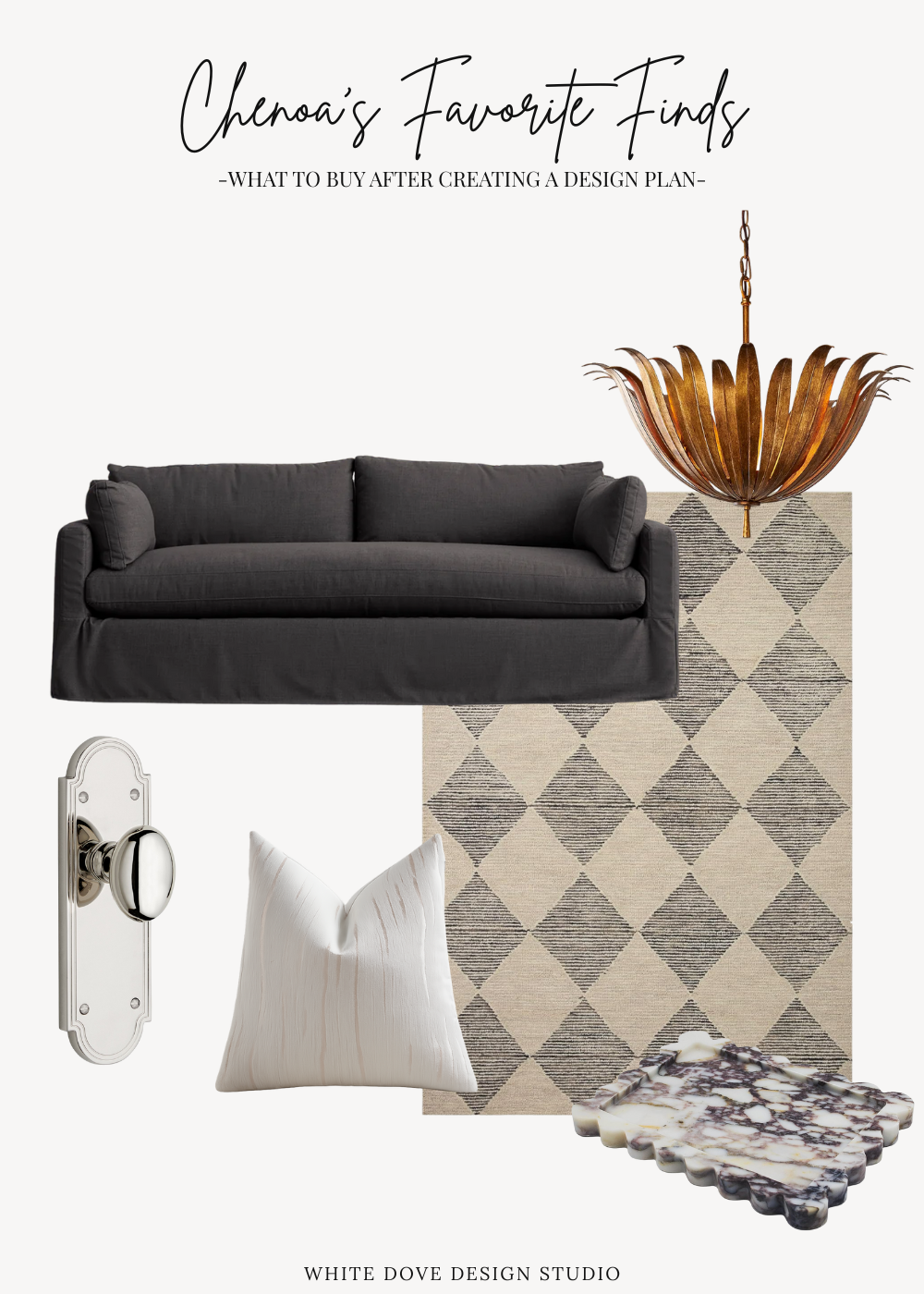
One of the biggest mistakes people make when designing their home is shopping before the direction is clear. Without a plan, even the best pieces can feel confusing, overwhelming, or out of place once they arrive.
These favorite finds are not meant to inspire ideas; they’re meant to support execution. They’re the types of pieces I reach for after the overall direction, layout, and mood of a space have already been defined. Simple, flexible, and easy to build around, each item works best when the plan comes first.
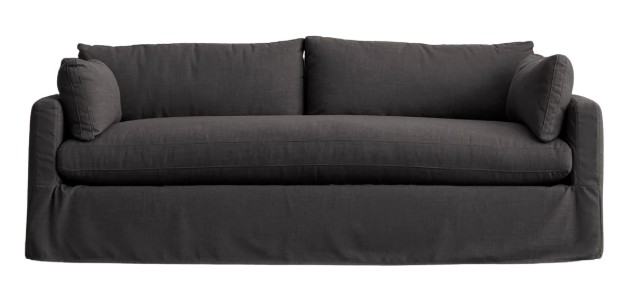
1. Anchoring Furniture
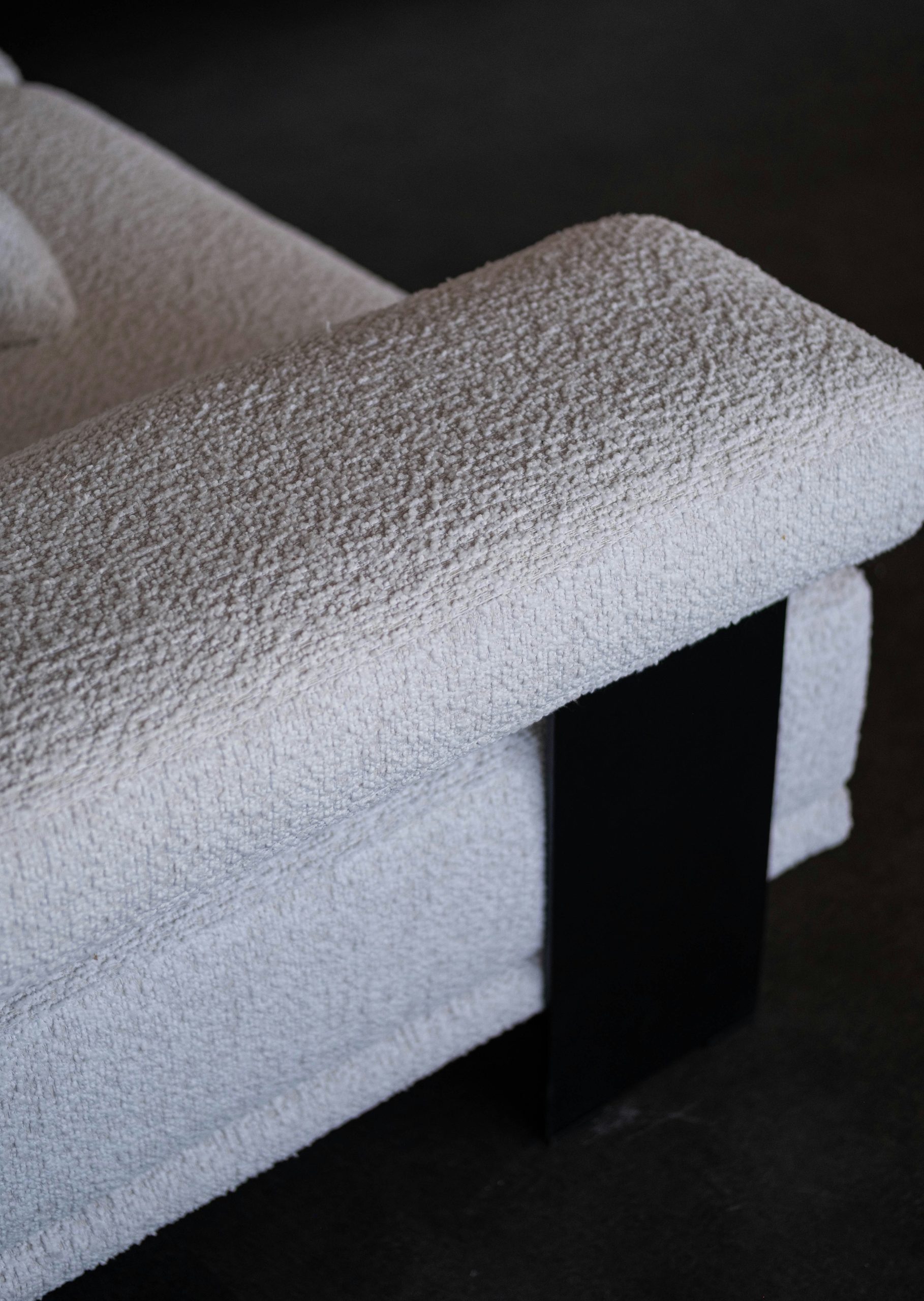
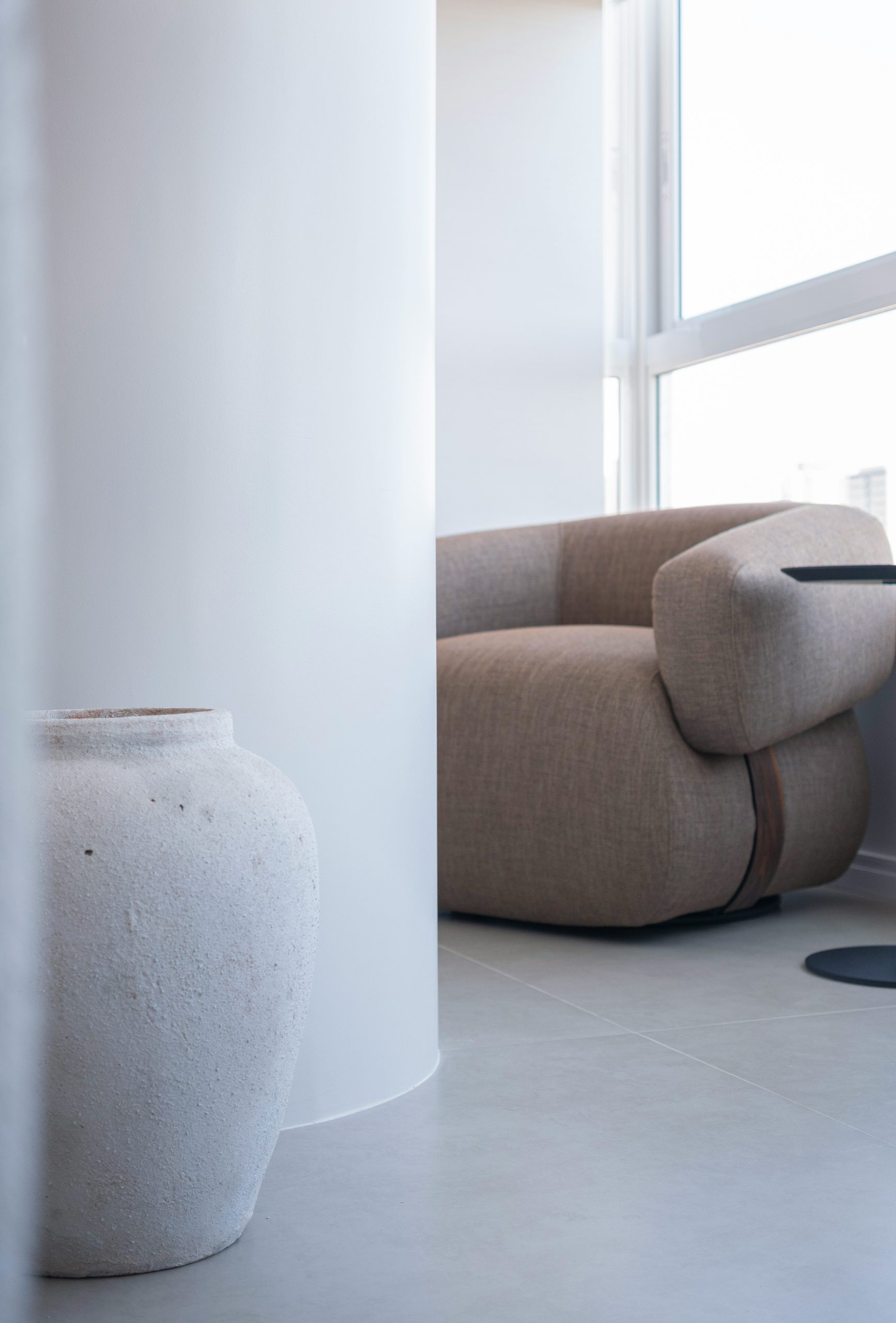
These are foundational pieces that work best once the layout and scale of a room are established. Clean lines and neutral finishes make them easy to layer without overpowering the space.
These types of furniture pieces include sofas, coffee tables, accent chairs, and console tables. Think of large furniture pieces that you can easily work around.
This is where I always recommend starting once the direction is clear. Larger furniture pieces influence circulation, sightlines, and overall balance, which makes them much easier to design around than smaller, decorative items. When these elements are thoughtfully chosen, everything else has a natural place to fall into.
Because these are typically investment pieces, choosing them with intention matters. Neutral, well-proportioned designs tend to stand the test of time and allow flexibility as the space evolves. Rather than chasing trends, these pieces support the long-term vision of the room and make future decisions feel simpler, not more complicated.
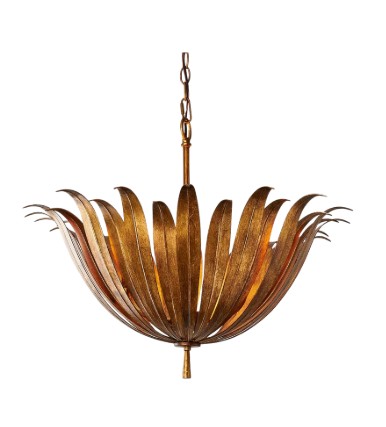
2. Lighting
Lighting decisions feel much easier when the room’s overall mood and function are clear. Rather than treating light fixtures as isolated statements, designers approach lighting as part of a larger plan. One that supports how the space is meant to feel and how it’s actually used.
When direction is established first, lighting becomes intentional instead of overwhelming. Fixtures no longer compete with one another; they work together to reinforce the atmosphere of the space.
These light fixtures include pendant lights, accent lighting such as sconces and lamps, statement chandeliers, and flush mount lights.
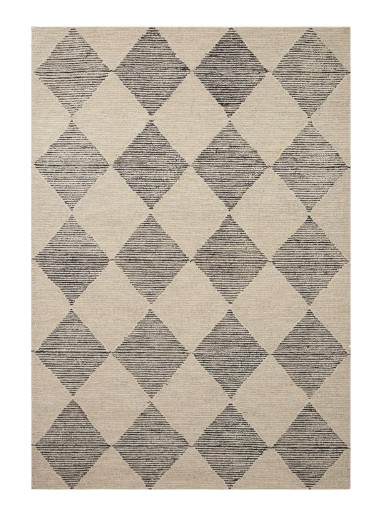
3. Rugs
Rugs should support the layout, not dictate it. Once furniture placement and scale are defined, choosing the right rug becomes far less guesswork.
One of the most common mistakes I see is selecting a rug before the layout is resolved. Without knowing where furniture will land or how the room needs to function, it’s easy to end up with a rug that feels too small, too busy, or disconnected from the rest of the design. When the plan comes first, the rug simply reinforces it.
There’s a wide variety of rug types, sizes, and materials, and the best choice depends entirely on how the space is used.
4. Styling Foundations
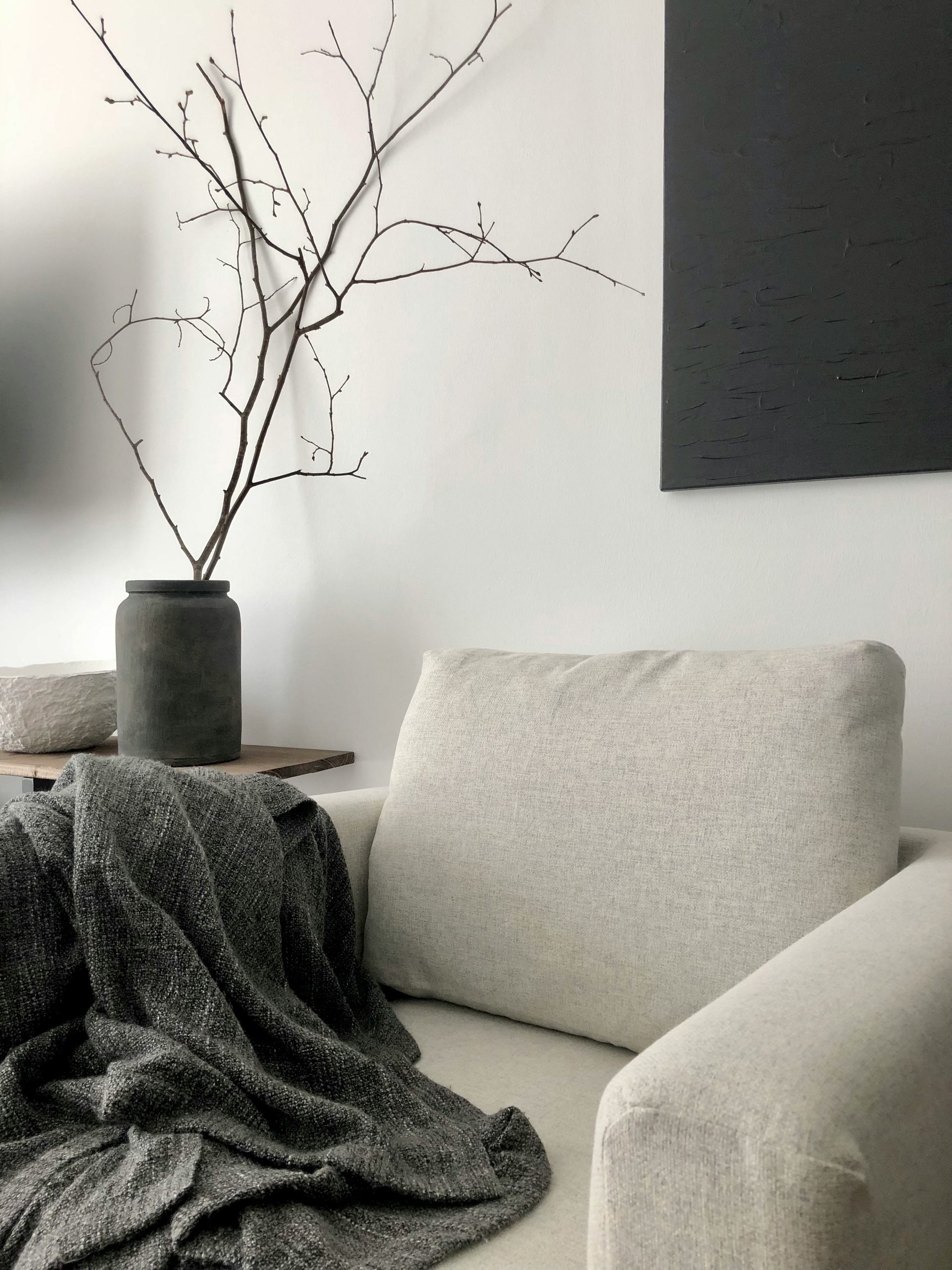
These pieces are meant to finish a space, not start it. Think of them as subtle layers that add depth, texture, and personality once the larger decisions like layout, scale, materials, and direction are already in place.
Styling elements are often where people begin, but without a plan, they can easily create visual noise rather than cohesion. When styling comes too early, even beautiful objects can feel disconnected or out of place. When it comes last, everything feels intentional.
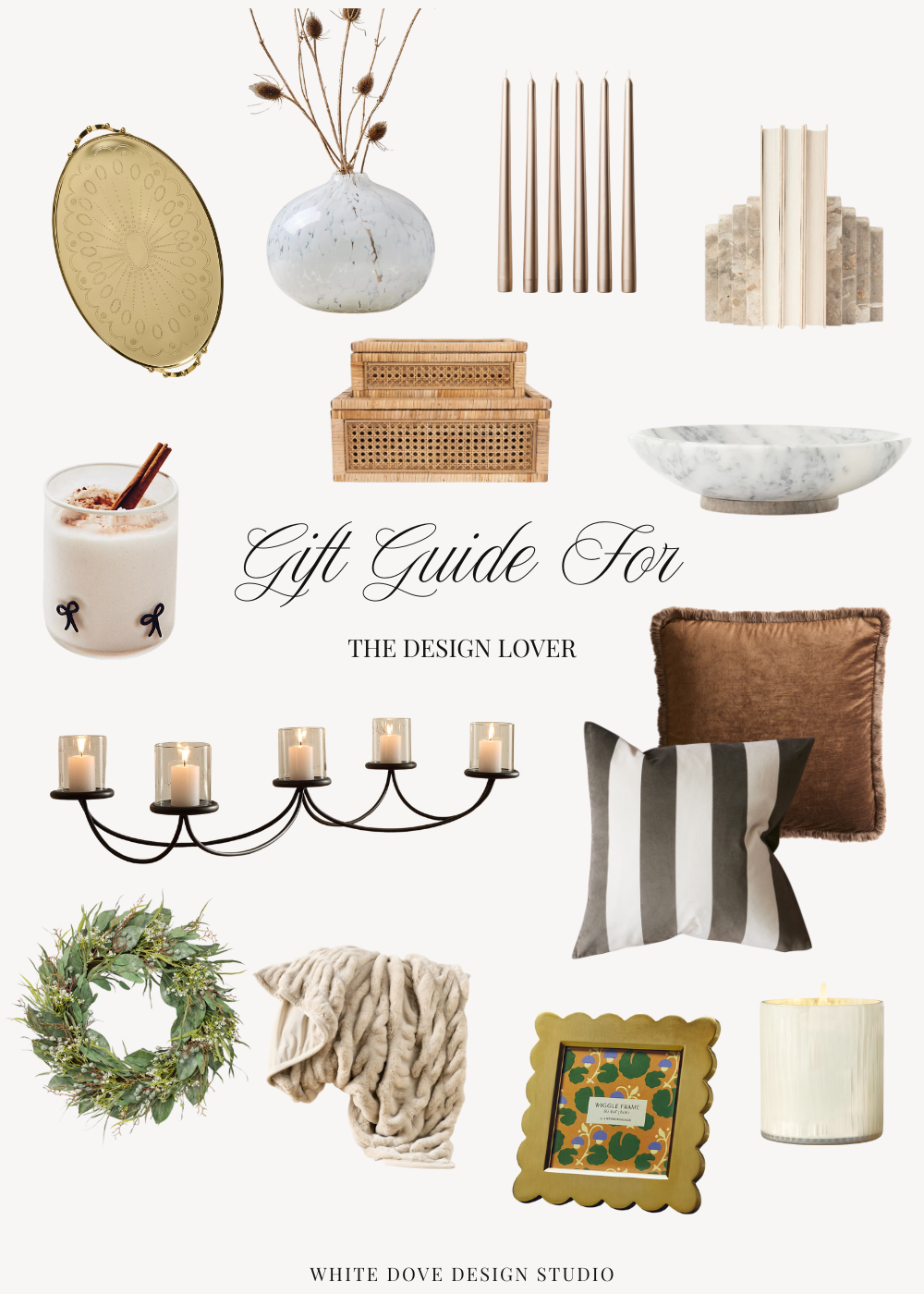
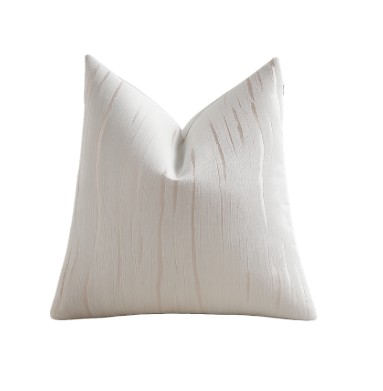
This includes those finishing touches, such as throw pillows, vases, decorative trays, artwork, etc. They complete the space.
5. Hardware Details
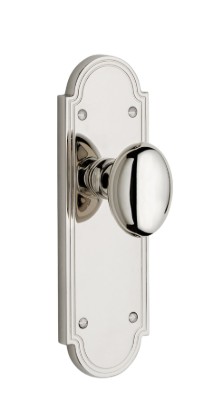
Hardware is one of those decisions that feels small but carries a lot of visual weight. Once the overall style and finish direction is established, these choices become much easier, and far less overwhelming.
Hardware acts as the jewelry for your cabinetry and doors. It’s not meant to steal the show, but it plays a critical role in reinforcing the overall design direction. When chosen thoughtfully, it helps tie materials, finishes, and proportions together so the space feels cohesive rather than pieced together.
This is also why hardware is rarely the first decision designers make. Without a clear plan, it’s easy to fixate on individual finishes or trends that may not actually support the larger vision. But once the palette and style are defined, hardware becomes a finishing layer; one that adds polish rather than complexity.
6. Organizational Pieces
Design doesn’t start with decor, it starts with order. These pieces aren’t meant to make a statement on their own; they’re meant to create a sense of calm and structure within a space. When everything has a place, the room feels more intentional and far less overwhelming.
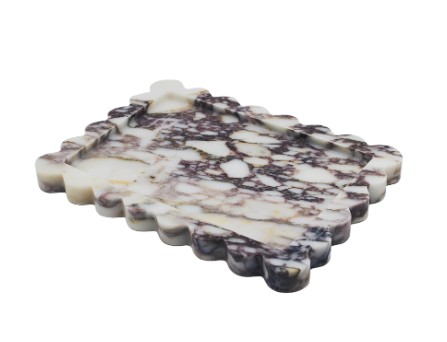
This is where design and daily life meet. Look for trays, bowls, and baskets. Anything that can be used as a functional organization system. When a home feels organized and intentional, everything else falls into place more easily.
When the direction is clear, pieces fall into place more naturally, decisions feel lighter, and you avoid costly mistakes along the way. These favorite finds are simply examples of what works well once that clarity exists, not replacements for it.
Shopping becomes significantly easier when you’re no longer asking, “Do I like this?” and instead asking, “Does this fit the plan?”
If you loved this blog post, be sure to check out these related posts:
How to Know Where to Start When Designing Your Home
Splurge vs. Save: Counter stools
Splurge vs. Save: Living Room Looks I Love
How to Define Your Home’s Design Direction (And Why It Matters)