This site contains affiliate links, view the disclosure for more information.
This post is all about your home design direction.
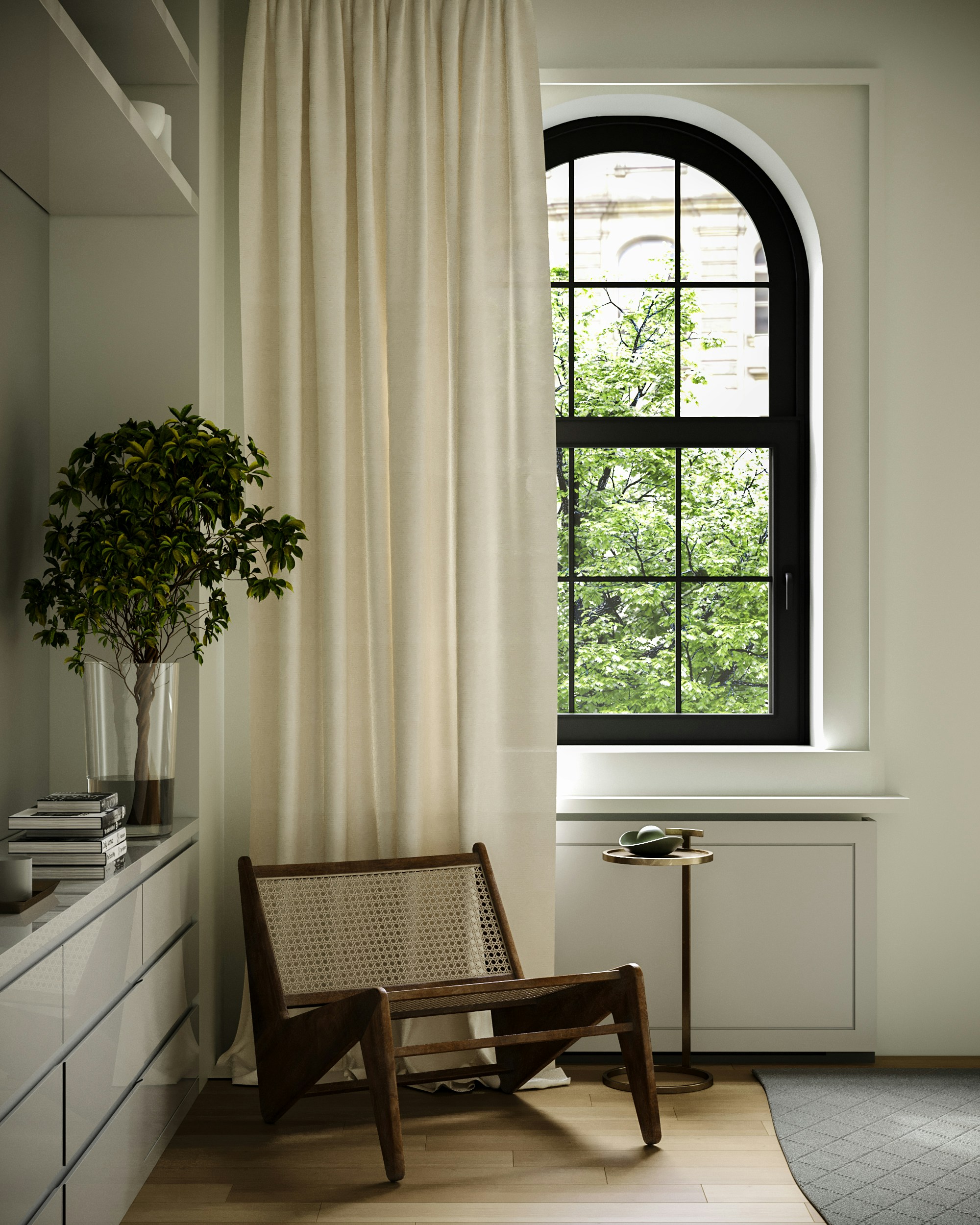
Interior design is often misunderstood. Many people think that it is only about choosing the pretty things, such as paint colors, furniture, finishes, and accessories. But true design goes much deeper than that.
To achieve a beautiful result, you need more than a vision. You need direction. Without it, even the best ideas can feel scattered, and the final outcome rarely aligns with what you first imagined.
Your home’s design direction gives your vision purpose. It’s the psychology behind the design. The whys that shape how you move through your home, how you use each space, and how it evolves. It’s what brings cohesion, longevity, and value to your home.
Decision fatigue is real, and that’s why establishing a clear design direction from the start is essential. It’s the foundation of a thoughtful, well-curated design that not only looks beautiful but feels effortless and intentional.
Take Inspired Action Toward Your Vision
1. why design direction matters
Having a plan and a sense of purpose in place is essential for almost anything in life. Think about all the decisions you make on a daily basis. Should I work out today? Should I get groceries? What should I wear?
The same kind of decision-making applies to any home build or remodeling process.
The Endless Decisions of Home Design:
In my honest opinion, there are way more decisions when it comes to creating a home.
Questions like, What is my design style? How many rooms do I need? What’s the best countertop material? Who do I hire? Is this flooring within budget?
The list feels endless, and it can quickly become overwhelming.
Avoiding Decision Fatigue:
This is where decision fatigue sets in, and that’s the last thing you want during a home project.
Because this isn’t just another task, it’s an investment. This is your home, the place where you’ll make memories and spend most of your time. You want it to feel like your sanctuary, not a source of stress.
The Power of Plan:
When you take the time to establish your design direction, you’re creating a roadmap. It’s what turns your vision into reality.
With a clear plan and the right team to help, the entire process becomes smoother and even fun.
Creating Cohesion and Flow:
A defined design direction not only helps alleviate decision fatigue, but it also ensures cohesion throughout your home.
You don’t want your spaces to feel pieced together or random; you want them to flow naturally, to feel effortless and intentional. Cohesion makes a home feel “meant to be.”
Staying True To You:
It also helps you stay true to yourself and your overall vision.
Design trends will always come and go, but what truly matters is what you love. In the end, you’re the one investing in and living in your home, and you should love every inch of it.
Communication Is Key:
Having a clear design direction is also invaluable when working with your team, like contractors, interior designers, architects, and beyond.
Being able to clearly communicate your ideas and expectations is a non-negotiable. When your vision isn’t understood, it can lead to miscommunication, delays, and added costs.
Building good relationships and staying aligned with everyone involved is the key to a smooth and successful project.
2. what are the core elements of design direction?
There are four core elements that help define your home’s design direction:
1. Anchors:
Having two to three recurring elements throughout your design will guide every decision you make. It’s so easy to get caught up in the big picture and lose focus with all the inspiration and trends floating around, especially on social media.
If you can identify two to three elements to serve as your anchors and use them as your compass, the rest of your choices will fall into place more naturally. These could include things like color, mood, texture, or materials. Choose your top three and don’t budge. They’ll become the thread that ties your entire home together.
2. Tone and Mood Words:
Choose a few words that describe how you want your home to feel. These tone and mood words act like emotional anchors. They keep your design aligned with the experience you want to create.
Think of this like a “values exercise,” but for your home. Words such as calm, inviting, moody, open, or organic can serve as your guideposts. I recommend choosing around five that resonate most with you. These words will help explain the essence of your home and influence every design decision from finishes to furniture to flow.
You may even notice your chosen mood words overlap with your design anchors, creating a clear and cohesive roadmap.
3. Boundaries:
Set boundaries. This part is crucial because there’s just so much information and inspiration out there, and it’s easy to lose direction.
Boundaries help you stay grounded and protect your mental energy. Create a short list of non-negotiables. For example:
- I won’t go over budget in my bedroom.
- I won’t let others pressure me into a decision I’m unsure about.
It’s okay, and it’s necessary to set these limits. They not only preserve your sanity but also keep your project aligned with your goals and values.
4. Flexibility and Growth:
Finally, allow your design direction to evolve. Having a clear vision is wonderful, but it’s just as important to stay open to change. In any project, unexpected things come up such as lead times, layout adjustments, and product delays.
Instead of seeing these hiccups as setbacks, view them as opportunities for creativity. Sometimes the best outcomes come from an unplanned pivot.
As you grow and your vision refines, you may realize some elements no longer feel right, and that’s okay. Letting your design direction shift naturally ensures your home continues to reflect you. Stay positive, flexible, and open to inspiration. That’s where the magic often happens.
3. Exercises to try to create your design direction
Here are a few simple but powerful exercises to help you clarify your design direction and turn your vision into something tangible.
1. The Constraint Game:
Grab a journal, pen, and paper, and start writing. Give yourself a few real-life design dilemmas and play them out on paper. Pick two must-haves for your design and one deal-breaker. This helps you quickly uncover what truly matters and what doesn’t.
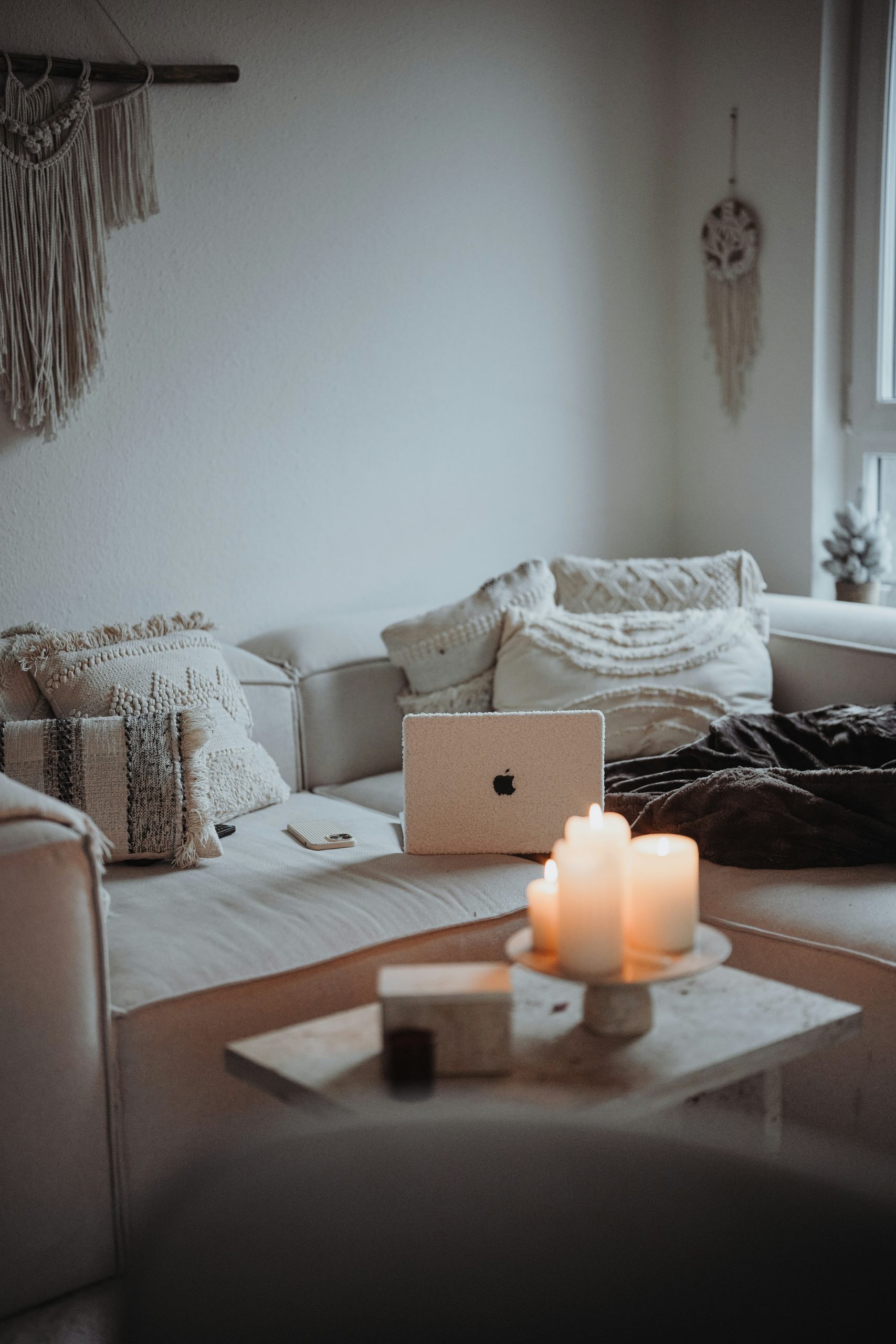
To set the tone before you begin, make it a ritual. Do something that calms your nervous system and sparks creativity, like lighting a candle, making a cup of coffee or tea, or curling up under a blanket. This isn’t just a writing exercise; it’s a moment of clarity. Let it feel inspiring.
2. The Overlay Exercise:
Once you’ve collected your inspiration images, take two at a time and lay them side by side. Look closely and analyze what draws you in.
Write down the similarities, repeating details, or design elements that catch your eye. Before long, you’ll start noticing clear patterns, which is where your anchor inspiration will begin to emerge.
Sometimes you’ll realize that you saved an image not because you love the entire space, but because of one specific feature such as a cabinet detail, lighting style, or material pairing. Make note of those details. This deeper analysis will help you make faster, more confident design decisions.
You can even share these specific notes with your builder or designer to help them better understand your taste and guide you toward choices that align with your vision.
Room Cross Check:
After you’ve analyzed your images and listed the elements you love, take a second look at the ones you didn’t. Were there any that made you hesitate or question your direction?
Go back to your anchors and tone or mood words and ask yourself: Do these photos align with what I defined? If not, remove them from your inspiration folder and move on. This simple edit helps you stay clear and focused, avoiding confusion or mixed messaging in your design direction.
Future Proofing Check:
Not every inspiration photo will be perfect, and that’s okay. Remember, these images are just a starting point. Your design direction should be able to evolve.
Focus on keeping your core elements consistent, like flooring, cabinetry, and paint colors. These create longevity. Then, allow flexibility in the layers that can evolve over time with furniture, artwork, textiles, and accessories.
That’s where you can play, refresh, and personalize as your style naturally grows. This mindset will help your home feel timeless yet adaptable, grounded yet alive.
4. how to troubleshoot
You might run into challenges as you create your design direction ,and that’s completely okay. Nothing in design (or life) ever goes perfectly.
If you find yourself stuck on choosing your anchors, revisit your feelings and mood. Try simplifying. The simpler, the better. Clarity often comes from stripping things back to what truly resonates.
If your tastes begin to shift mid-project and you start to feel confused, return to the beginning. Revisit your original vision and the elements that first inspired you. Ask yourself: Do these still feel true to me? If yes, refocus on them. If not, allow yourself to evolve. Growth is a natural part of the creative process.
If you’re worried your choices feel “too safe” or you start second-guessing what others might think, remember this: your home is your sanctuary. No one else’s. If you feel drawn to color-drench your office, ceiling included, do it. Don’t overthink it. Interior design isn’t about following rigid rules; it’s about self-expression. There are helpful guidelines, but there’s no single “right” way to design.
Be curious. Be bold. Have fun. You never know where your creativity might lead you.
Even small moments of clarity move you forward. With each decision, you’ll notice patterns emerging, and over time, the process will start to feel more natural, more you.
And there you have it. Now you know how to define your home’s design direction and why it matters. It’s the foundation for a thoughtful, cohesive, and beautifully curated home that truly reflects you.
This post was all about how to define your home’s design direction (and why it matters).
If you loved these ideas, subscribe to my weekly newsletter to get more interior design inspiration and tips straight to your inbox.
If you loved this blog post, be sure to check out these related posts:
Why Every Beautiful Home Starts With A Vision