This site contains affiliate links, view the disclosure for more information.
Designing a room can quickly start to feel overwhelming when you’re trying to make every decision at once. The rug, sofa, coffee table, lighting, pillows, artwork, and accessories. Before long, you’re juggling dozens of individual pieces and wondering how they’re all supposed to work together.
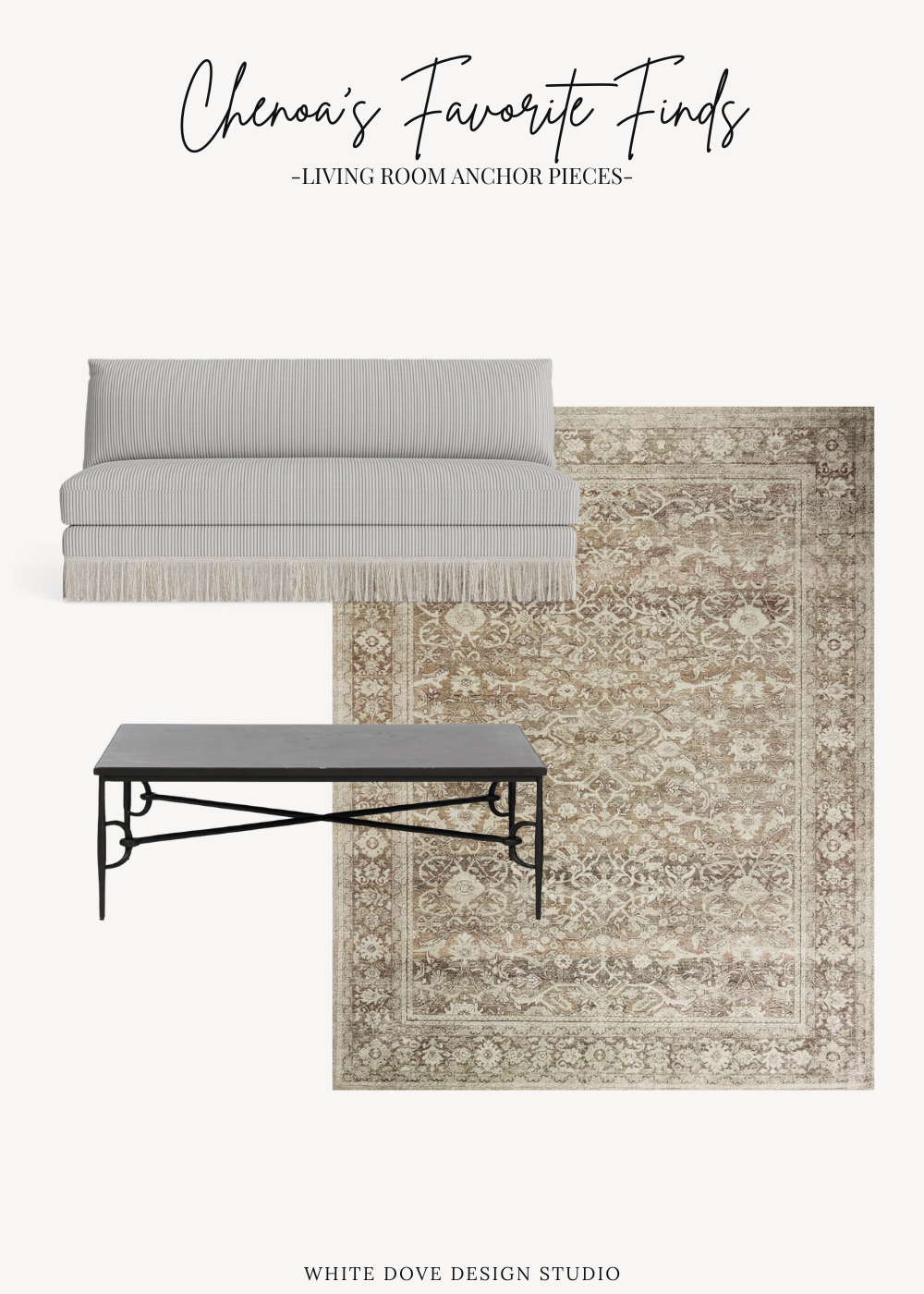
Instead, I like to start by establishing a few key living room anchor pieces. These are the larger pieces that set the tone, scale, and overall direction for the room. Once those decisions are made, everything else has something to build from.
For a living room, I often start with the rug, sofa, and coffee table. They create the foundation of the space and begin to establish the color palette, proportions, textures, and overall feeling of the room.
Below, I’m sharing three of my current Favorite Finds as examples of the types of anchor pieces I’d look for when creating a clear design direction.
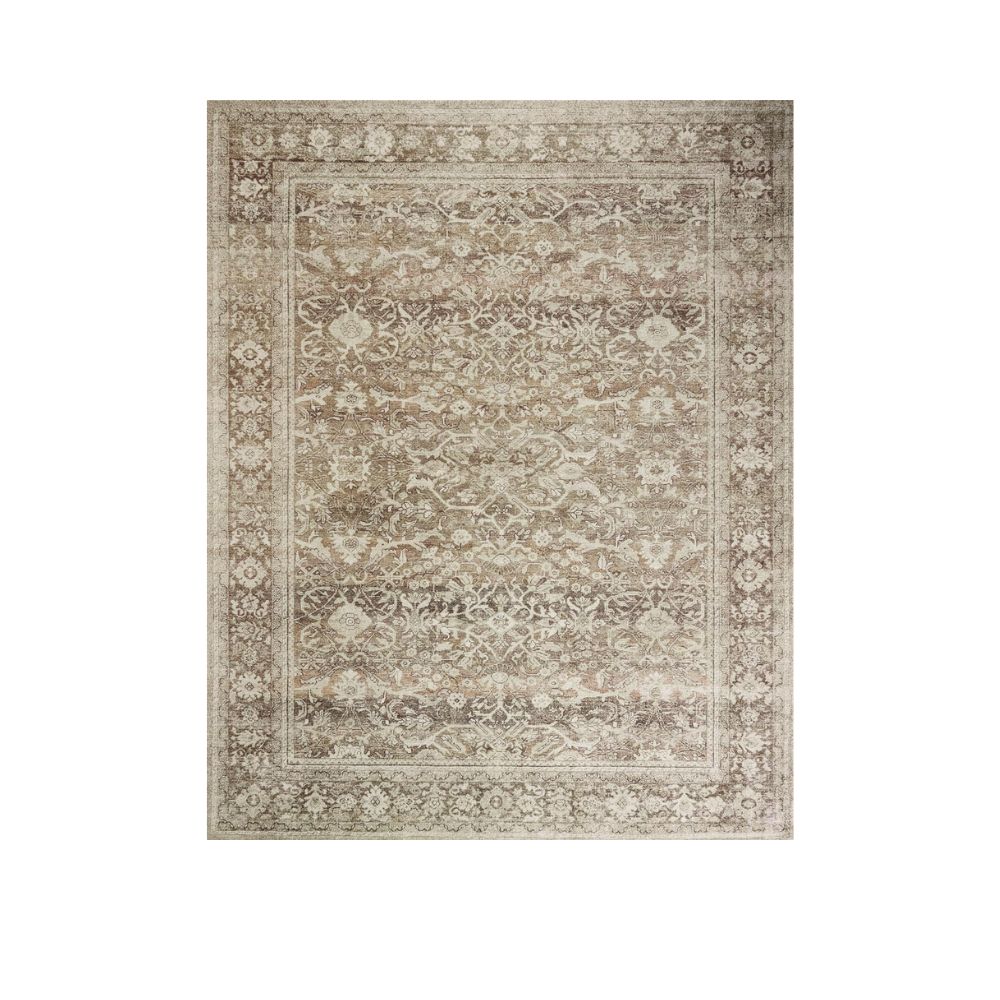
1. The Rug
A large-scale, neutral rug with subtle texture
The rug sets the tone for the entire room and helps determine furniture placement and scale. When the rug is right, everything else has a place to land. I often gravitate toward something neutral with subtle pattern and texture because it creates interest without dictating every other decision in the room. It gives you a foundation you can continue layering onto over time.
2. The Sofa
A clean-lined sofa in a timeless, versatile fabric
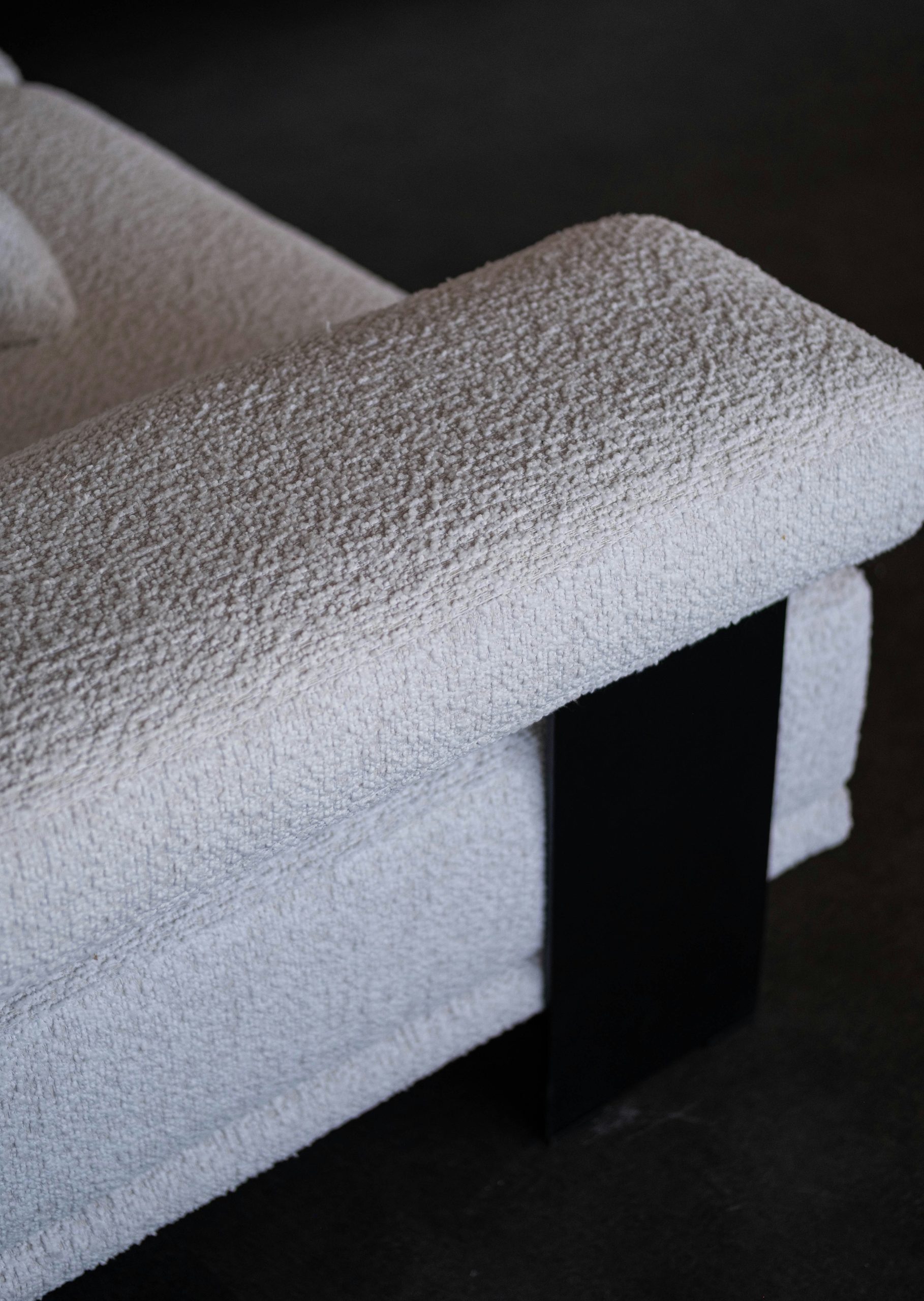
The sofa becomes the visual and functional center of the room, guiding proportions, layout, and how the other pieces relate. Because it’s typically one of the larger investments in a living room, I prefer something timeless rather than overly trend-driven. A versatile fabric and classic silhouette give you the freedom to change pillows, throws, artwork, and other accents without having to rethink the entire room.
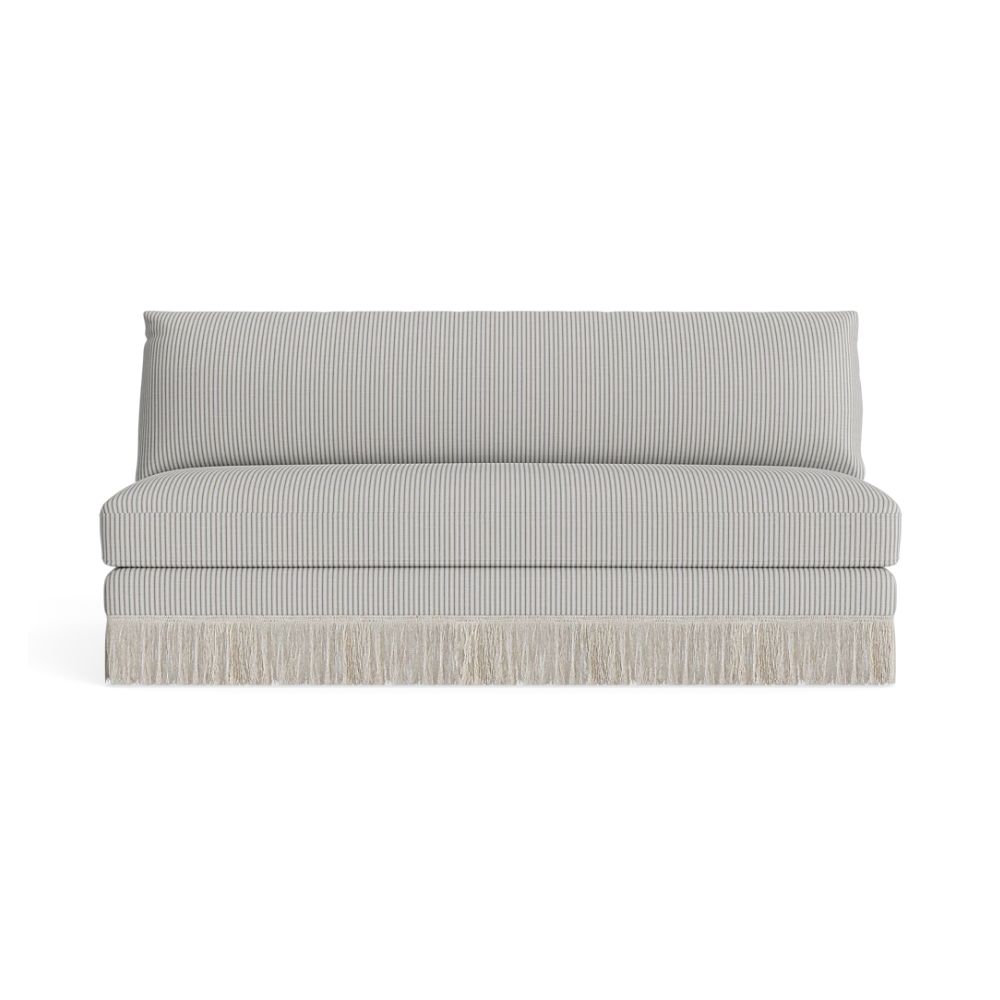
3. The Coffee Table
A simple, substantial coffee table with visual weight
A substantial coffee table grounds the seating area and balances the softness of upholstered pieces without competing for attention. I look for something with enough visual weight to hold its own alongside the sofa and rug while still keeping the overall design feeling balanced. Natural materials like wood or stone are especially beautiful because they introduce another layer of texture and character.
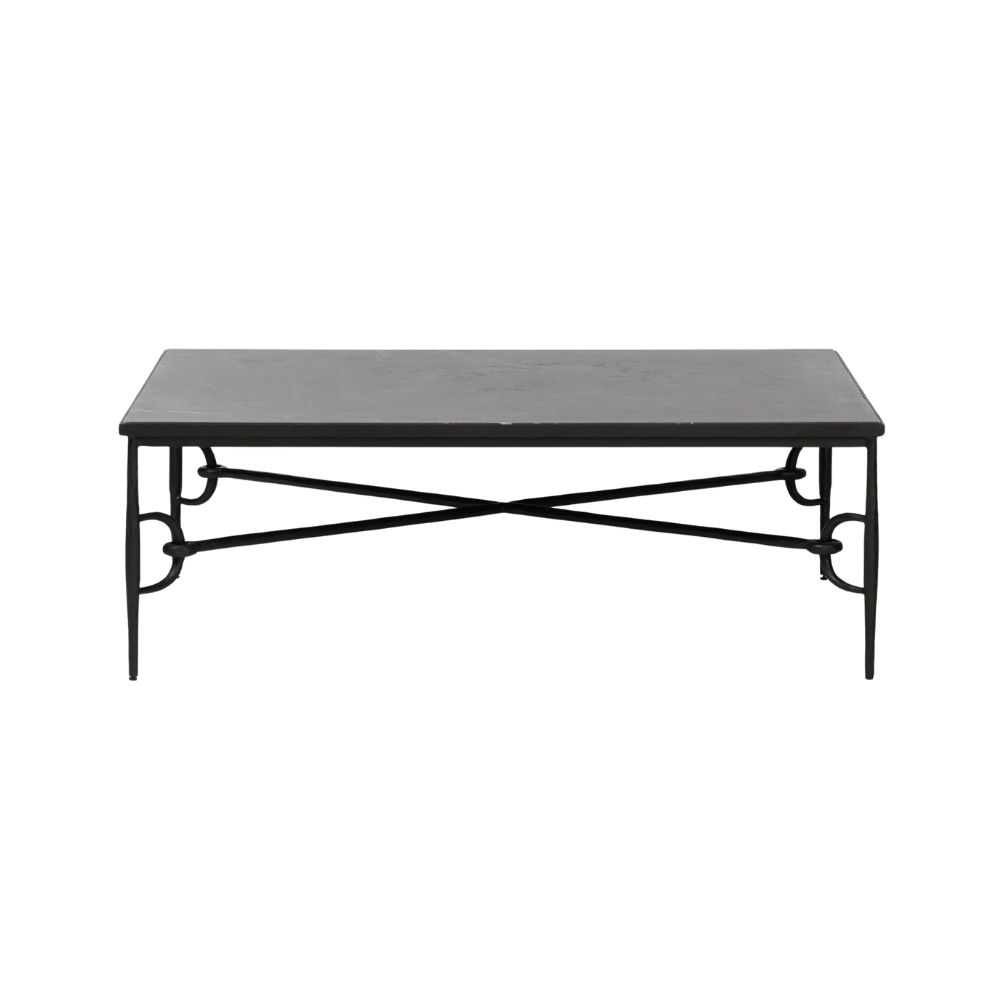
Creating a beautiful living room doesn’t require figuring out every detail at once. Start with the pieces that carry the most visual weight and allow them to establish the direction for everything that follows.
Once your rug, sofa, and coffee table feel right together, the smaller decisions such as lighting, pillows, artwork, side tables, and accessories become much easier to make. Instead of choosing each piece in isolation, you’re building onto a foundation that’s already been established.
And that’s really the goal: not to design an entire room overnight, but to make thoughtful decisions in the right order so the process feels a little clearer and a lot less overwhelming.
Start With The Right Foundation
Your area rug is one of the first pieces that establishes the scale and layout of a room. My free Area Rug Placement Guide takes the guesswork out of choosing the right size and placement, so you can create a foundation that makes the rest of your room easier to design.
Get the free Area Rug Placement Guide here:
If you loved this blog post, be sure to check out these related posts:
Chenoa’s Favorite Finds: Timeless Area Rugs I Always Come Back To
Chenoa’s Favorite Finds: What to Buy After Creating A Design Plan
The Rug Refresh: 3 Designer Decisions That Matter Most
How to Know Where to Start When Designing Your Home