This site contains affiliate links, view the disclosure for more information.
This post is all about how to design your dream home on a budget.
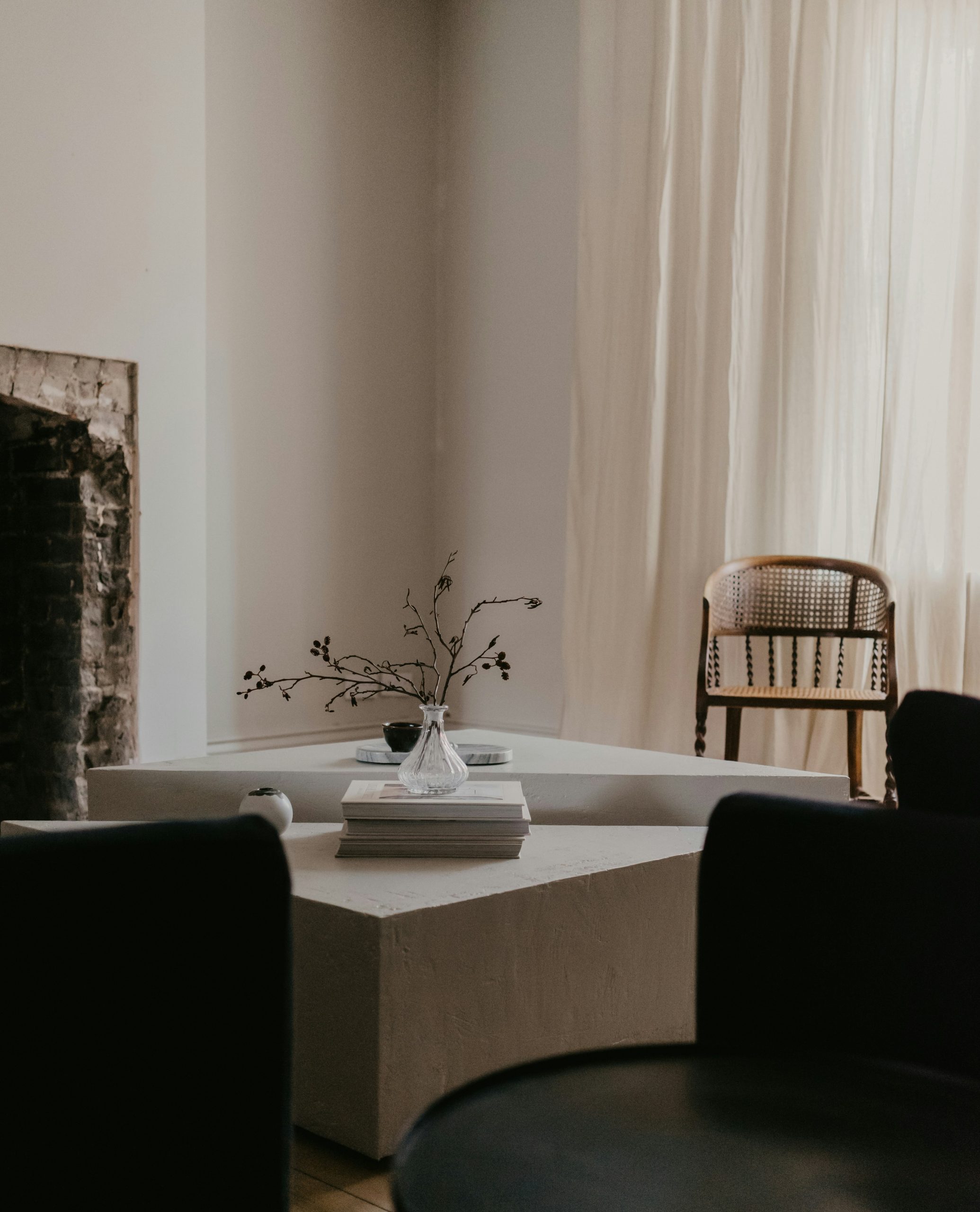
Creating your dream home on a budget doesn’t have to feel impossible.
We all have budgets, and we all prioritize different things depending on our lifestyle and interests. You’ve already created a vision for your home, so now it’s time to align that vision with your budget.
Just because you have a budget doesn’t mean that you have to sacrifice your style. There are many ways you can achieve the same look, but within a price range that feels most comfortable for you.
Budget isn’t a limitation; it is a design tool.
I am going to walk you through my step-by-step process so you can create your dream home on a budget and get everything your little heart desires.
how to get your dream home on a budget
Step 1: Define Your Design Vision
Defining your design vision is the first step to creating a budget for your dream home. You need to know what you want before you can take any action.
When you’re discovering your vision, don’t just think about how things look; think about how you want to feel. Feeling is just as important because it impacts how you live in your space.
You can read more about vision and why every home has one here: Why Every Beautiful Home Starts With A Vision
Once you have discovered how you want to feel, the next step is to give that vision some direction. Start putting it all together on mood boards. You can create these on Pinterest and on Canva, which are my number one and highly recommended tools! Seeing all your inspiration in one place will help you identify any patterns and connections.
Read next: How To Define Your Home’s Design Direction (And Why It Matters)
Now that you have a solid vision, you need to turn that into a budget. Something tangible. And that is what we are going to get into next!
Step 2: Identify Your Non-Negotiables
This step is so so important! This is where your vision turns into reality.
Your vision captures the overall feeling and look, but now it is time to break that vision into bite-sized pieces so you can determine what is most important to you and what can slide.
This is going to look so different to everyone because we are all unique, which is what makes design so beautiful!
We also have different views on what a budget really is. To some people, spending $5,000 on a sofa is an absolute must because they view it as an investment piece that will need to stand the test of time. While others would rather save that money for something else and choose something in the $1500 range. Neither of these is wrong! It is all about what you value most.
For this, I recommend starting a list of those patterns that came to you through your vision work. These patterns could include:
- Hardwood flooring
- Marble countertops in the kitchen
- A statement ceiling feature
- Light fixtures
- Quality window treatments
Then, from there, rank them in order from most to least important. I know at first they will all seem important, but when you take each one at a time and start to reflect on them, you will find hidden answers in each one.
Designer Tip: Treat your non-negotiables as design anchors. These will help keep your vision grounded, even when your budget begins to shift.
Being able to define your non-negotiables is going to help you so much when it comes time to bring numbers into the equation.
Step 3: Define your Comfort Range
Once you have that list of non-negotiables, it is time to start pairing numbers with them.
Even if you’re not sure what things cost yet, take an open-minded approach and start by thinking realistically. What’s the maximum amount you’d feel comfortable spending on each item?
If you’re working with a builder or general contractor, they will help you refine those numbers. But for now, use your imagination. It also doesn’t hurt to do some quick Google searches to see some average numbers.
This is when you need to get real with yourself and a little vulnerable. Talking about money or even thinking about money can be such a sensitive subject for so many. So, give yourself some grace and try not to compare your numbers to others. This is YOUR home, no one else’s.
Yes, you want a beautiful home, but you don’t need to go into debt over it.
Step 4: break It Down Room By Room (or category)
Now that you have your non-negotiables with some rough estimates to go along with them, it’s time to get more micro.
Take those non-negotiables and organize them into rooms or categories such as flooring, plumbing, lighting, and furnishings. etc. Doing this is going to help you create a more realistic picture of where your money will go.
Having a rough estimate for each room or category will be so helpful when you begin meeting with builders, general contractors, and trades.
Designer Tip: A clear, itemized list makes conversations with professionals easier and ensures everyone’s aligned with your goals and comfort range.
Step 5: Build Your Save vs. splurge strategy
Having a save vs. splurge strategy in place is going to help you make very intentional and aligned choices when it comes time to source and shop.
To build this, take each of those rooms and categories you made, and list out what you want to include.
For example, a bedroom:
- King-sized bed
- Area rug
- Nightstands
- Accent lighting
- Ceiling feature
- Window treatments
- Table lamps
- Bench
Then, mark each one as Save or Splurge.
Example:
- King-sized bed: Splurge
- Area rug: Save
- Nightstands: Splurge
- Accent light: Splurge
- Ceiling feature: Splurge
- Window treatments: Splurge
- Table lamps: Save
- Bench: Save
You don’t need to go all out for every item, material, finish, or fixture in your home. It’s all about creating balance and deciding what makes you feel comfortable without sacrificing your style.
Designer Tip: You might choose to splurge on cabinetry but save on hardware. Or splurge on an entry chandelier, but save on bathroom sconces. Think in terms of visual impact and longevity.
step 6: source smart & shop with intention
Now you should have a super organized and well-thought-out list for your home!
When you begin sourcing and shopping for materials, plumbing fixtures, lighting, and furnishings, it can get extremely overwhelming really fast! Especially when you start to look at all the price tags.
Here’s my advice:
Go back to your design board process. Focus on one space at a time and one category within that space.
Using the bedroom example, create a design board in Canva and add everything you’re considering: bed, area rug, lighting, window treatments, etc.
Save anything that catches your eye, even if it’s above your price range. Once everything’s added, total it up. Then, repeat the process for each room and category.
Seeing it all together helps you:
- Get a realistic sense of your overall spend
- Spot patterns in your style preferences
- Identify where you can adjust, swap, or duplicate high-end looks
This might be difficult to do for certain materials like tile and flooring, but this is a great exercise for those smaller elements that you can easily order yourself instead of going through a showroom.
step 7: revisit and refine
Once you’ve worked through your entire list, take a break and come back to it. Once you have a fresh mind, do a mini audit.
When you see your totals, you’ll likely think things like:
“Okay, wow, I can’t spend that on an area rug!”
or
“That didn’t cost nearly as much as I thought it would!”
For those items that seem ridiculously expensive for you, do some research and look for dupes or similar alternatives. You’ll be surprised by how close you can get in both look and quality. Remember, you don’t have to sacrifice your style!
This is an ongoing process, and things may change as your project evolves, but remember, your vision is your grounding point. When you start to feel overwhelmed, come back to it. Your vision is your anchor and will always lead you to full alignment!
See, turning your vision into a budget doesn’t have to be scary!
If you take it step by step and follow these guidelines, you will have no problem designing your dream home on a budget that makes sense for you, and you only without sacrificing the design style you love.
Interested in discovering your design style? Take this short quiz to find yours! You will receive a free guide to learn how to take that style and turn it into reality.
This post was all about how to design your dream home on a budget.
If you loved these ideas, subscribe to my weekly newsletter to get more interior design inspiration and tips straight to your inbox.
If you loved this blog post, be sure to check out these related posts:
Why Every Beautiful Home Starts With A Vision
How To Define Your Home’s Design Direction (And Why It Matters)
From Vision To Design Style: How To Discover The Look That’s Truly You