This site contains affiliate links, view the disclosure for more information.
This post is all about discovering your interior design style.
You’ve defined your vision, the feeling you want your home to evoke when you walk through the door. Maybe it’s calm and airy, layered and cozy, or refined with quiet luxury. But once you’ve clarified that feeling, the next question is: “What does my vision actually look like?”
That’s where your style comes in. Your style is how you translate your vision into visuals, the textures, colors, and materials that bring your ideas to life. It’s the bridge between the mood you want to create and the design decisions you’ll make along the way.
The truth is, most people skip this step. They know what they like when they see it, but they haven’t clearly defined why they like it or how to carry that look throughout their home. Taking time to understand your personal style makes every future choice easier, from selecting finishes and materials to making budget decisions down the road.
Let’s take a deeper look at discovering and defining your interior design style, one step at a time, so you can move forward with confidence on your home project.
Discovering Your Design Style
1. The difference Between Vision & Style
Vision and style go hand in hand, but there are key differences between the two. Vision is the emotion and feeling behind how something looks, while style is what gives that emotion a visual form.
This concept can be confusing. You might be thinking, “Isn’t vision literally what you see?” And yes, to some extent it is, but it goes much deeper than that.
Our home’s vision comes from a place of emotion. It’s not only about how we want our spaces to look, but how we want them to feel. Once we have a clear understanding of that feeling, we can begin to give it a name, a style, that helps bring it to life.
When we do that, decisions become easier and more intuitive. Every selection from materials to furnishings becomes part of a cohesive story. It allows the entire project to feel intentional, curated, and thoughtfully designed.
Interior design is about the details, but it’s also about translation and taking the big picture, your vision, and breaking it down into tangible, understandable parts that make creating your home simpler and more meaningful.
2. why Knowing Your Design Style Matters
Knowing your design style will help you with every single decision you make during your home build or renovation.
It gives you a clear roadmap, a visual guideline that helps you make intentional, aligned choices. It also saves you from decision fatigue, which becomes very real if you’ve ever been through a home project.
Understanding your design style can also help you find the right team to bring your vision to life. If you plan to hire an interior designer (which I highly recommend), you want someone who truly understands you, your lifestyle, your family, your interests, and how you want to feel in your home. A good designer will ask the right questions, listen closely, and often become a trusted partner, and sometimes even a friend, throughout the process.
It’s also important that your designer’s aesthetic aligns with yours. If you’re naturally drawn to their portfolio, that’s a strong sign that your styles are in sync and that they can help you achieve a similar look and feel in your own home.
Designers are trained professionals who know how to guide you through discovering your personal style. Through design boards, consultations, and conversations, they can help you refine your vision into something tangible and cohesive.
The same applies to working with builders or contractors. While they may not specialize in design, many custom home builders pay close attention to detail and appreciate when a client has a clear sense of direction. Choosing professionals who understand your goals and respect your vision makes all the difference.
Knowing your design style can also save time and money. When you know what you’re looking for, you make more informed decisions and avoid costly mistakes. It keeps your project cohesive and ensures every element, from materials to finishes, connects back to your overall vision.
Ultimately, knowing your design style gives you direction. It’s the compass that guides you toward confident, thoughtful choices, and helps your home come together exactly as you imagined.
3. Steps you can take to discover your design style
Create A Mood Board
The best way to begin discovering your design style is by creating vision and mood boards. Use inspiration from Instagram or Pinterest, which is my personal favorite for interiors, or look through magazines and cut out images. Start saving photos to a digital board, or create a physical board, with things you love and things that catch your eye.
Look For The Patterns
Once you have a board, take a moment to review it and pull out six to eight images that capture the essence you love most. You will start to see your personal aesthetic emerge. Scroll through your saved images or Pinterest boards and notice what repeats. Are there recurring color tones, textures, furniture silhouettes, or moods. You may be surprised by the patterns that appear.
Pay Attention To Feelings
Instead of focusing on labels like “Modern” or “Transitional,” ask yourself how you want your home to feel. That emotional cue is what will make your space feel authentic. Remember that vision is feeling and style is visual. Vision begins with feeling, so listen to your intuition.
Don’t Be Influenced
Just because something is trending does not mean it fits you. You do not have to keep up with the Joneses. The beauty of design is that it is unique to the individual. Our homes are a form of self-expression. Do not worry about what everyone else is doing. If you truly love something, it will never go out of style.
Learn About The Different Design Styles
Do some research on common interior design styles and study images of each. A simple Google search is a great start. Some common styles are modern, contemporary, transitional, traditional, modern farmhouse, and eclectic. The list goes on, and it can feel overwhelming, so treat this as an exercise.
Make a list of the design styles that come up in your search, then go down the list researching each one. I highly recommend using Pinterest for this. When you type in a style, you will see many beautiful images for that aesthetic. What is your initial reaction? If you dislike it, cross it off. If something catches your eye, study it and write down why. After doing this, you will have a focused list of styles you can compare, and you will start to notice many similarities. Do not worry if you like more than one style. That is actually the goal, and it is where a curated, designer-inspired space comes from.
4. what are some common design styles?
Here are some common interior design styles to know:
Modern
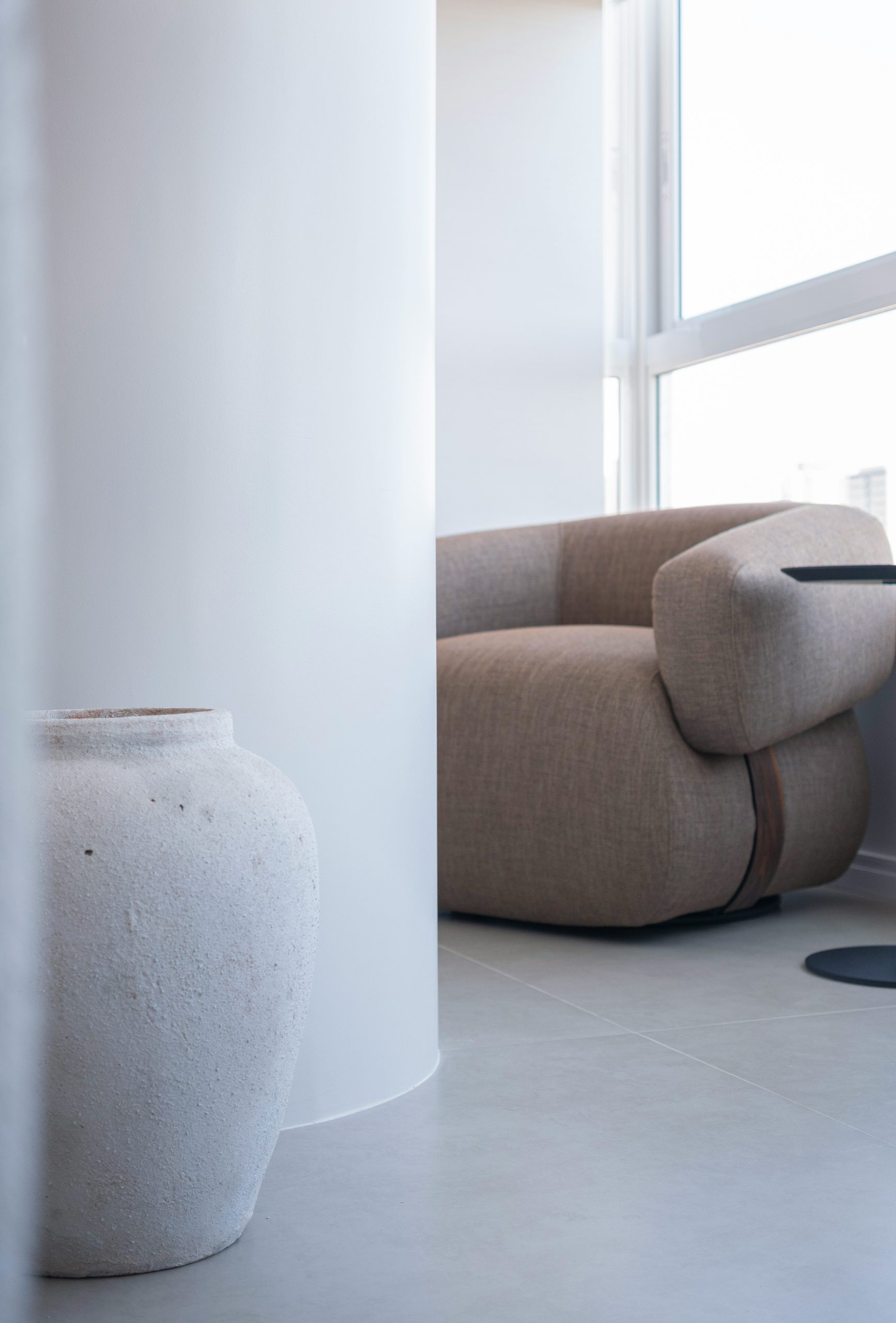
Clean lines, open spaces, and minimal details define modern design. It’s about form and function, sleek surfaces, neutral tones, and intentional simplicity. Every piece serves a purpose, creating a space that feels calm, uncluttered, and quietly confident.
Contemporary
Often confused with modern, contemporary design is more fluid and current. It evolves with the times, embracing trends and innovation while keeping a minimalist core. Expect soft curves, natural light, and a balanced mix of comfort and sophistication.
Traditional
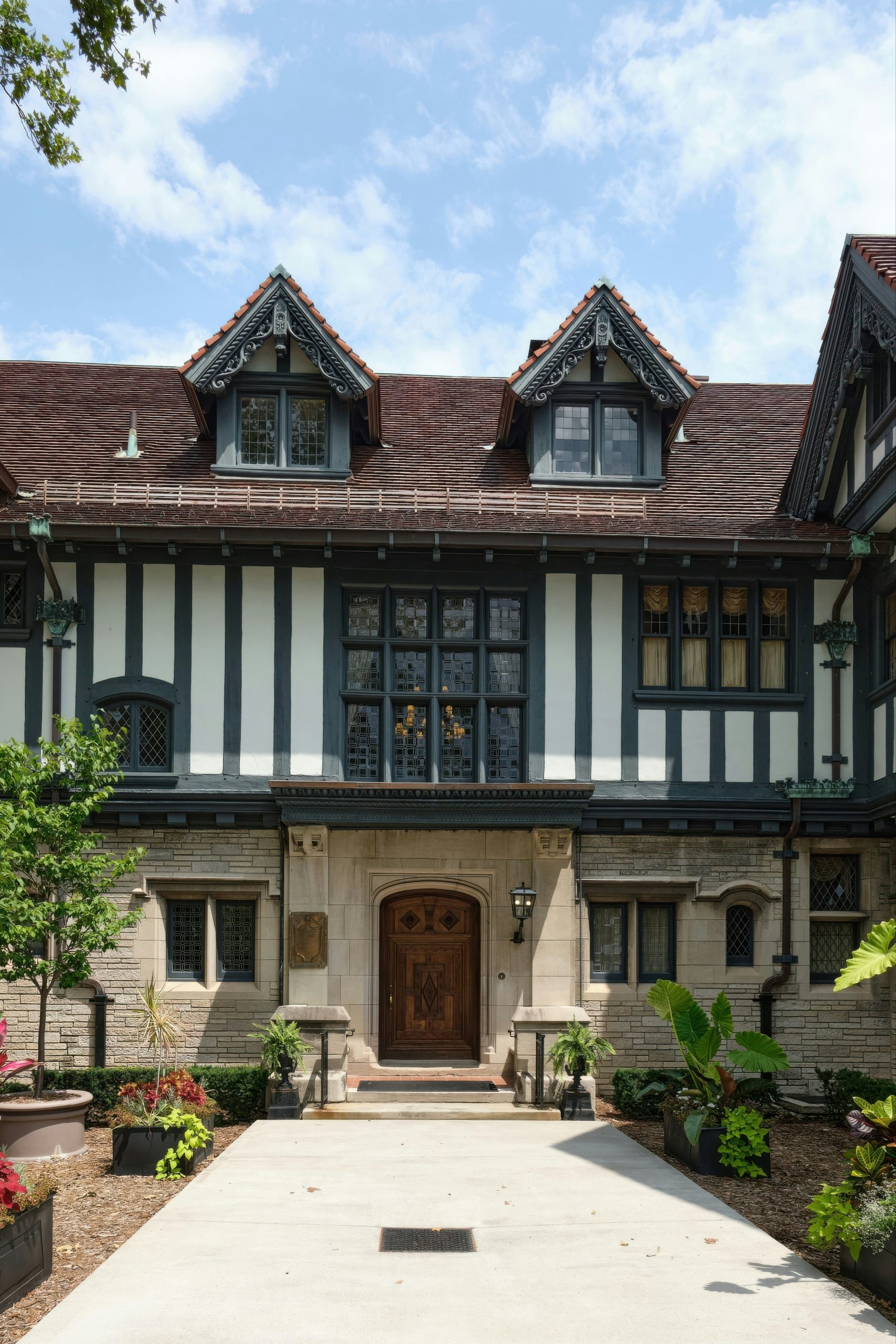
Rich wood tones, classic furniture silhouettes, and layered textures give traditional design its timeless appeal. Think symmetry, elegance, and warmth, spaces that feel established and inviting, where every detail feels intentional.
Transitional
A beautiful blend of traditional and modern. Transitional spaces are harmonious and balanced. They pair streamlined furniture with timeless details, mixing old and new for a refined, comfortable aesthetic that feels effortless.
Coastal
Light, airy, and effortlessly breezy, coastal design captures the feeling of being near the water. Natural textures like rattan and linen meet a palette of whites, blues, and soft neutrals. It’s relaxed, inviting, and full of natural light.
Farmhouse
Rooted in simplicity and comfort, farmhouse design emphasizes warmth and practicality. Think weathered wood, cozy textiles, and vintage-inspired details. Modern farmhouse styles lean cleaner and more minimal, balancing rustic charm with updated polish.
Scandanvian
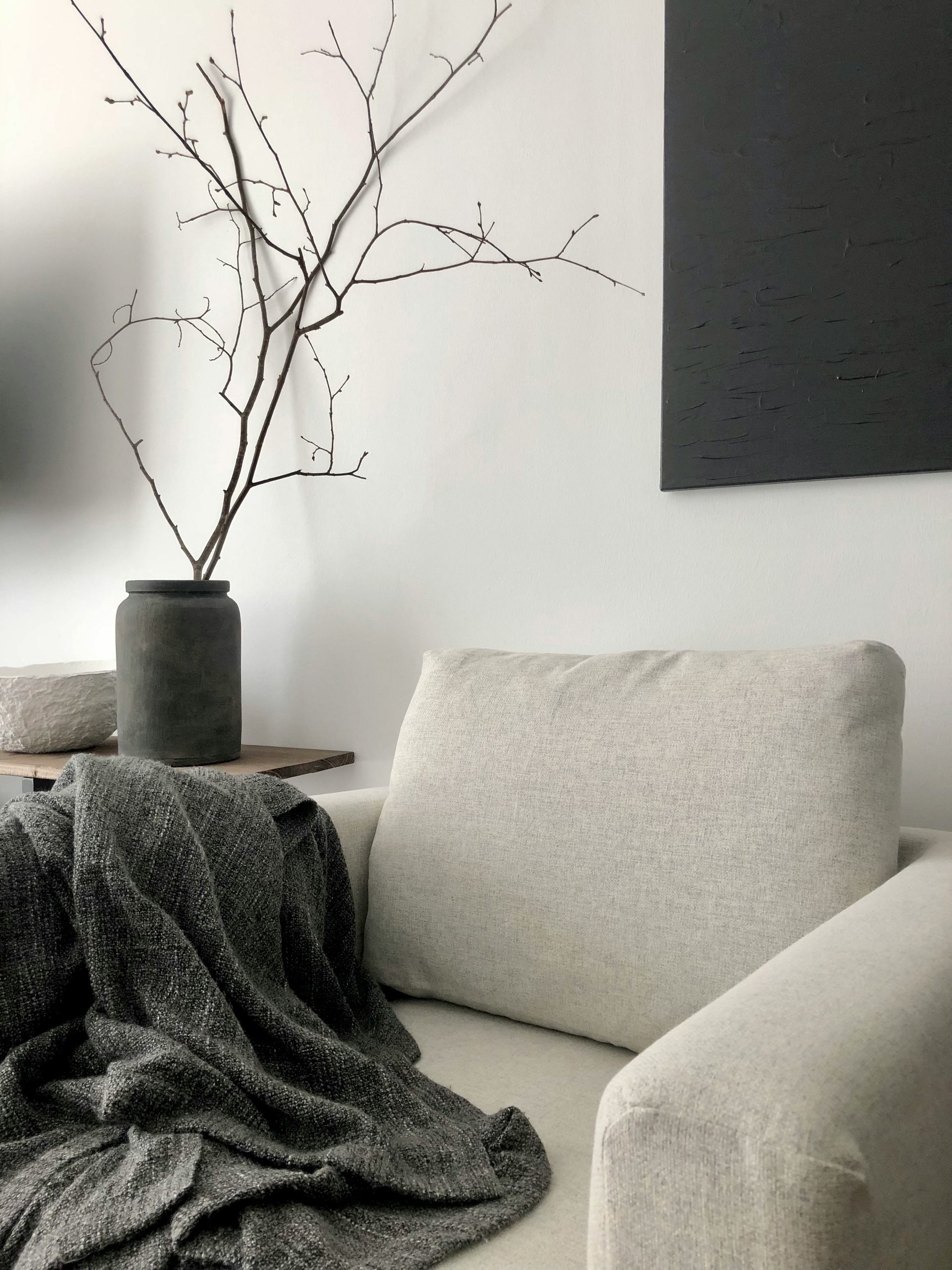
Functionality meets beauty. Scandinavian design is known for light wood tones, white walls, simple forms, and cozy minimalism. It celebrates natural materials and craftsmanship while maintaining an airy, inviting atmosphere.
Mid-Century Modern
Retro yet timeless, mid-century modern design blends organic shapes, tapered legs, and a mix of warm woods with bold color accents. It’s nostalgic, functional, and stylish, which is perfect for those who love clean lines with character.
Boho
Free-spirited and layered, bohemian design celebrates individuality. Think mixed patterns, earthy tones, plants, and collected treasures from travel or memory. It’s eclectic, expressive, and full of life.
There are many more design styles out there, but this gives you a glimpse into some of the most common ones.
5. You aren’t meant to only have one design style
Mix and match your design styles. This is what creates a truly curated and personal look. You can always tell when a space feels intentional because it’s layered, balanced, and uniquely you.
The key is to blend styles that naturally complement each other and reflect who you are. When this is done thoughtfully, it feels effortless and timeless, not forced.
6. Take the Quiz
If you’re ready for some clarity to give you a head start on discovering your interior design style, take my short and fun Find Your Interior Design Style Quiz! It’s designed to help you identify your dominant style and give you a curated color palette, product suggestions, and design tips to move forward confidently.
And remember, embrace your version of style, not today’s trends.
This post was all about how to discover your design style.
If you loved these ideas, subscribe to my weekly newsletter to get more interior design inspiration and tips straight to your inbox.
If you loved this blog post, be sure to check out these related posts:
Why Every Beautiful Home Starts With A Vision
How To Define Your Home’s Design Direction (And Why It Matters)