This site contains affiliate links, view the disclosure for more information.
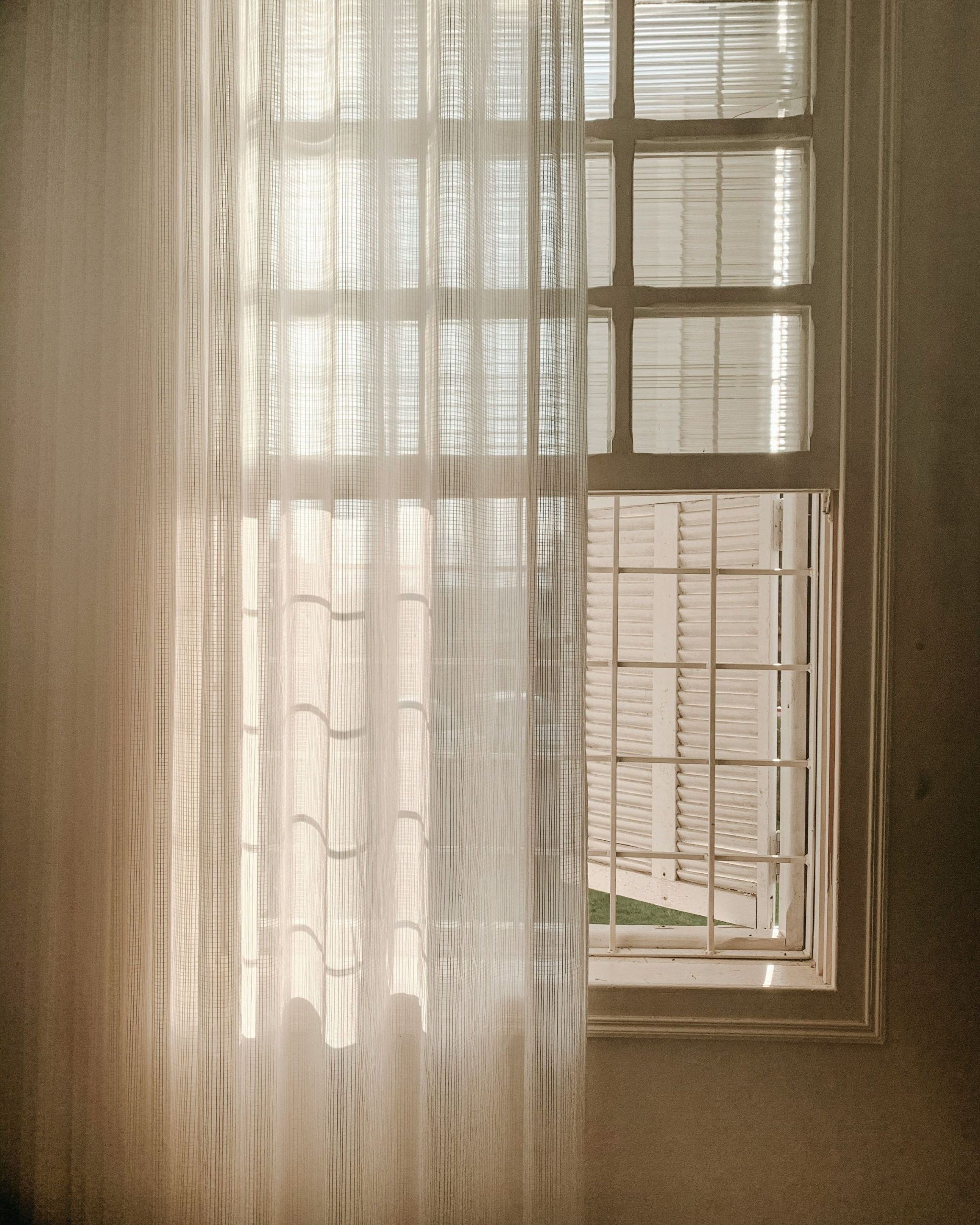
Curtains can completely change the way a room looks and feels.
When they’re done well, they make ceilings appear taller, windows look larger, and a space feel more polished and finished. But when curtains aren’t quite right, something in the room can feel slightly off, even if you can’t immediately pinpoint why.
The good news is that creating a designer look doesn’t require custom drapery or an unlimited budget.
In this guide, I’m sharing six designer secrets that will instantly make your curtains look more elevated and intentional.
1. Use Curtains That Are Long Enough
One of the most common curtain mistakes I see is curtains that are simply too short.
Curtain panels should never stop halfway between the window frame and the floor. This creates an awkward visual break and makes the room feel unfinished.
Instead, curtains should either lightly touch the floor or drape slightly along it. Designers often refer to this as the curtain “kissing the floor.”
Here are 3 different ways to hang your curtains:
Option 1 (My favorite): Kiss the Floor
This means the bottom of the curtain just barely touches the floor. It creates a clean, tailored look that works well in most spaces.
Option 2: Puddle the Floor
Puddling means there is extra fabric that drapes softly along the floor. This look feels more relaxed and luxurious, but it works best in formal rooms where the curtains won’t be opened and closed frequently.
Option 3: Slightly Floating
If you prefer a cleaner look or need easier maintenance, the curtain can float about ½–1 inch above the floor.
2. Choose Curtains That Are Wide Enough
Curtains that are too narrow are another common mistake.
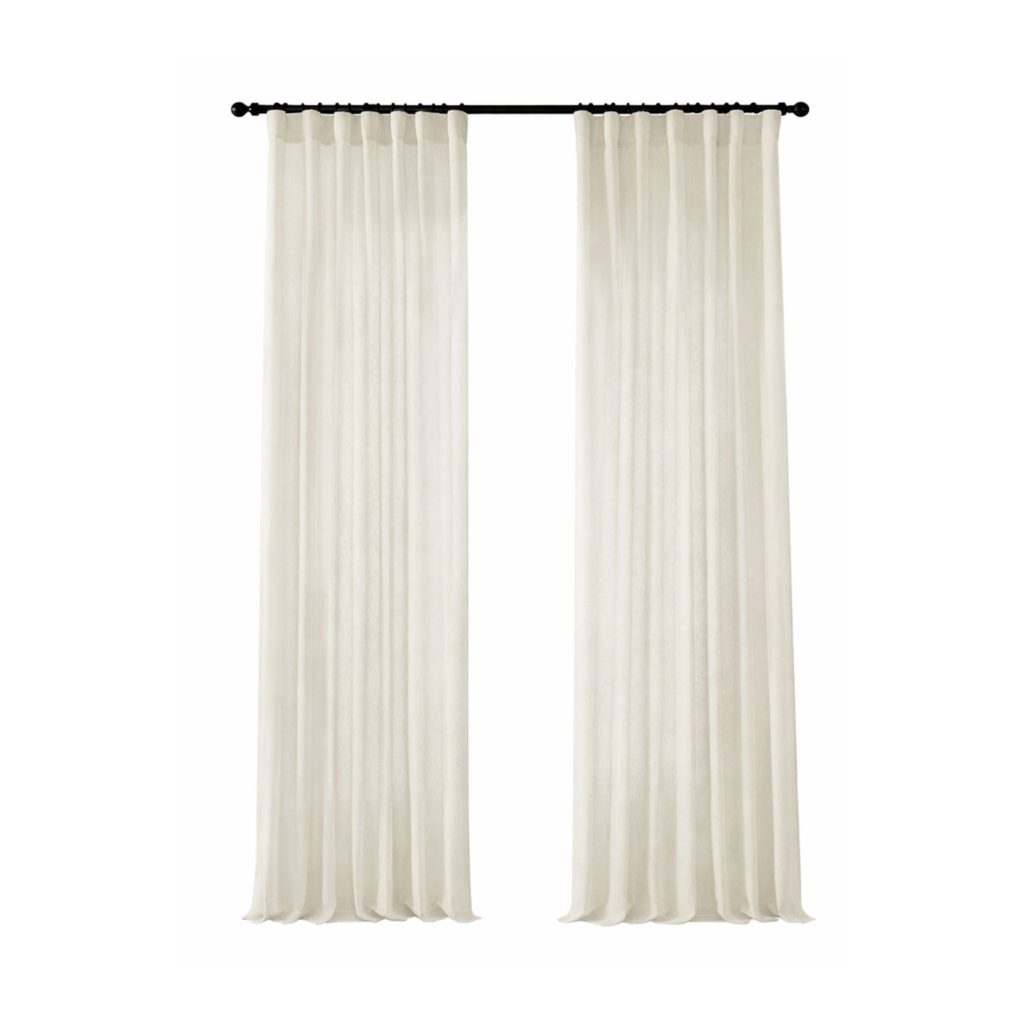
When curtain panels are stretched tight across the window, they can look flat and unfinished. Instead, curtains should have enough fullness to create soft folds when they’re closed.
A good rule of thumb is to choose curtain panels that are 1.5x to 2x the width of the window.
For most windows, this means using two panels on each side rather than just one.
This extra width helps curtains look fuller, more elegant, and more intentionally styled.
If you’re looking for curtain panels that create a soft, elevated look, these are my favorite. They come in a variety of colors and lengths and work well in many spaces:
3. Hang the Curtain Rod Close to the Ceiling
Where you place the curtain rod makes a bigger difference than most people realize.
Hanging the rod higher draws the eye upward and instantly makes the room feel taller and more spacious.
Instead of mounting the rod directly above the window frame, try placing it 4–6 inches below the ceiling or just below crown molding if you have it.
This simple adjustment creates the illusion of taller ceilings and a more custom, designer look.
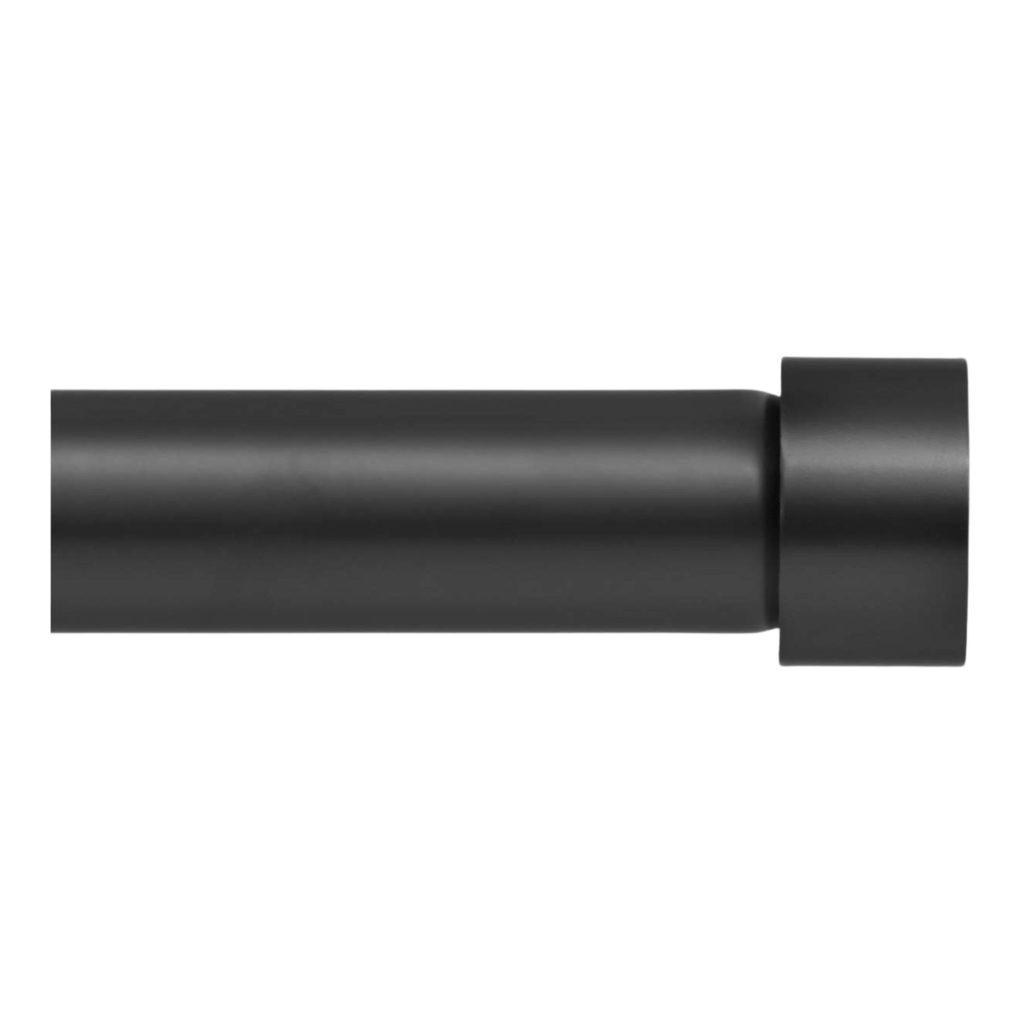
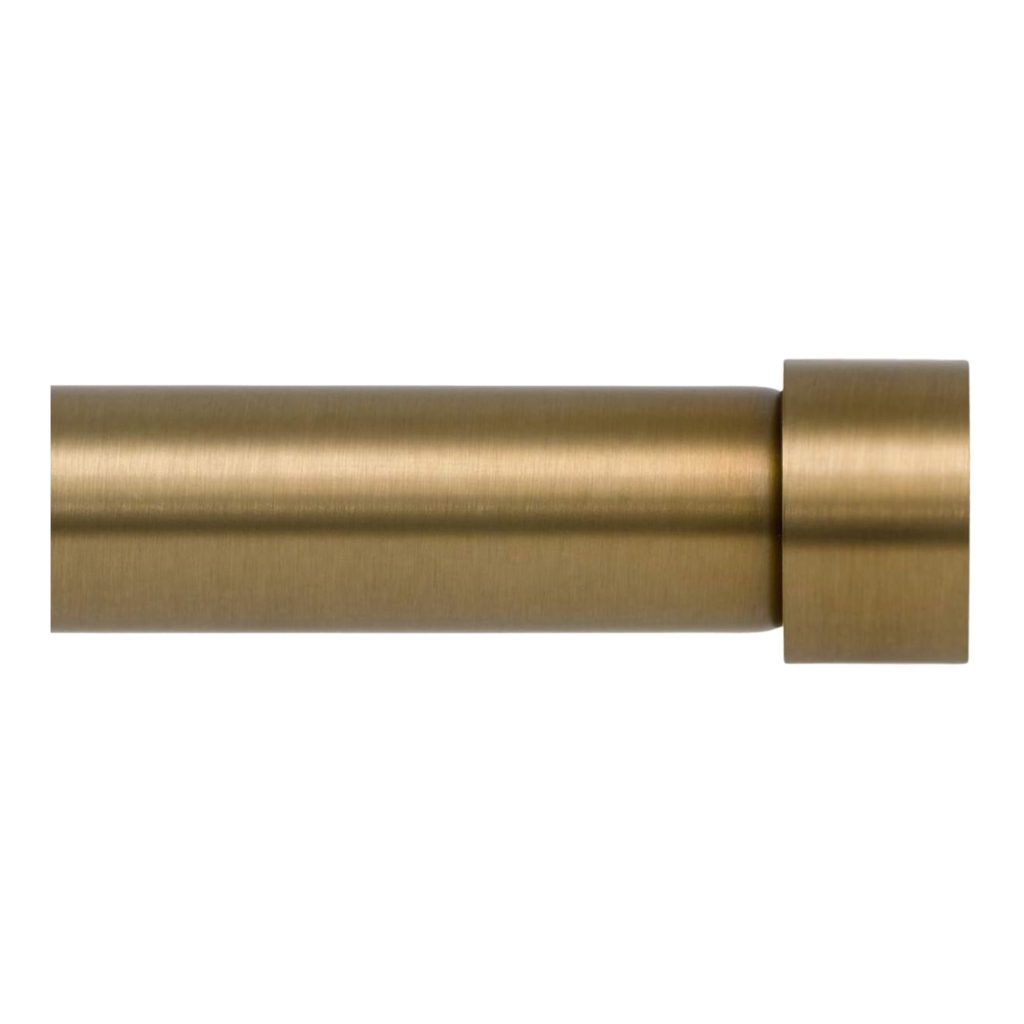
Here are a few simple curtain rods that work beautifully with most spaces:
4. Extend the Curtain Rod Beyond the Window
Curtain rods should extend beyond the width of the window frame.
Ideally, the rod should extend 3–6 inches past the window frame on each side.
This allows the curtain panels to stack off to the sides when open, letting more natural light into the room while also making the window appear larger.
It’s a small design detail that makes a big difference in how balanced and polished the space feels.
5. Keep Curtain Hardware Simple and Timeless
Curtain hardware should complement the room without competing with it.
Simple, timeless finishes like matte black, antique brass, or polished nickel tend to work well in most homes.
For a more tailored look, consider using pinch pleat curtains with curtain rings and hooks. This creates structured folds that instantly elevate even affordable curtain panels.
If you’re currently searching for curtains or curtain hardware, I put together a curated collection of some of my personal favorites that I use in my own home and in client spaces. You can explore my full list here: Chenoa’s Favorite Finds: Curtains & Curtain Hardware.
6. Consider the Fabric
Curtain fabric plays a big role in the overall look and function of the room.
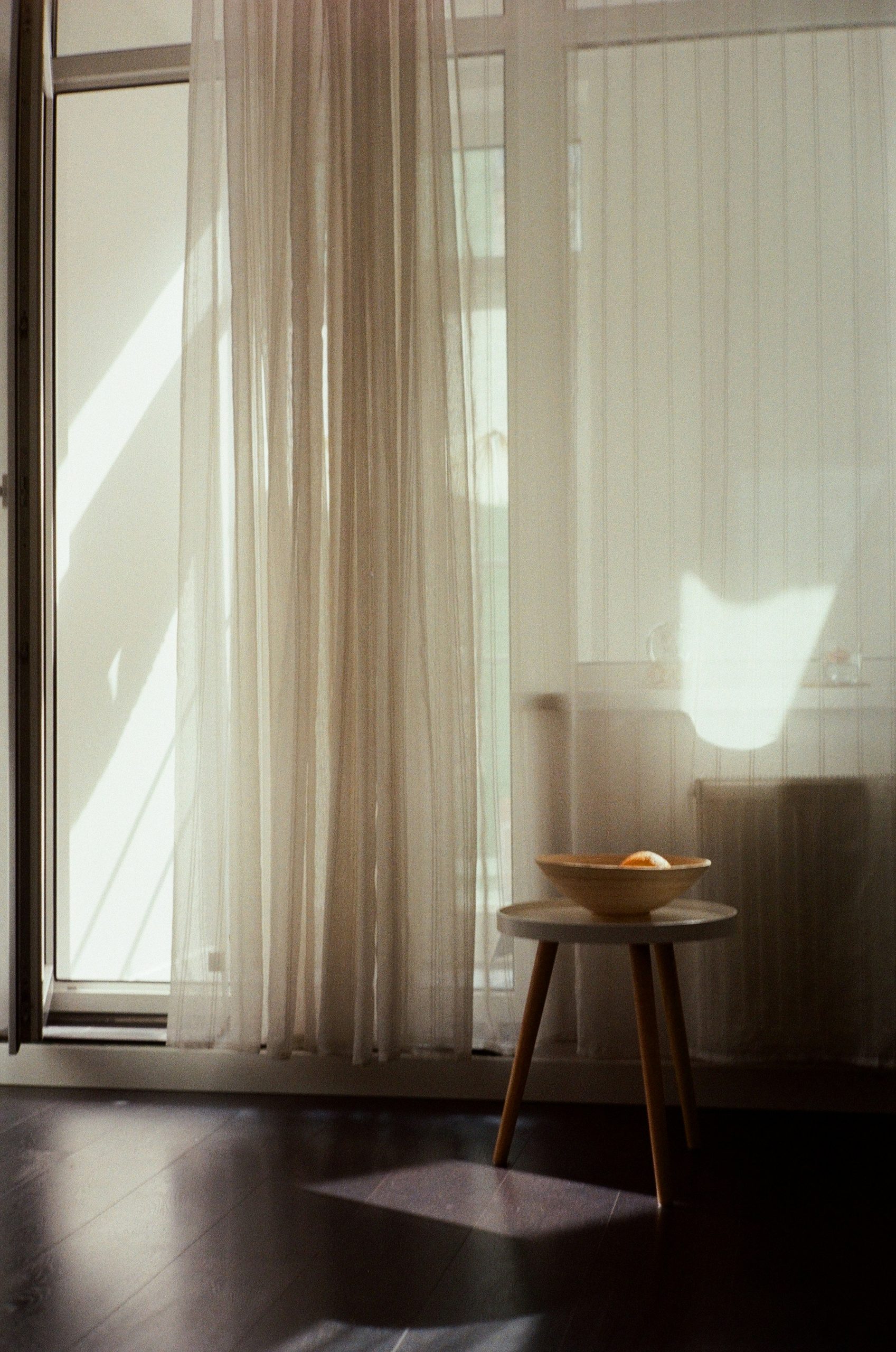
If you want soft natural light, sheer or light filtering fabrics work beautifully in living rooms and dining rooms.
For bedrooms or spaces where you want more privacy, blackout curtains are often the better choice.
Texture is also important. Linen or linen-blend fabrics tend to create a relaxed, elevated look that works well in many homes.
Designer Bonus Tip:
If you want your curtains to look fuller and more luxurious, use more panels than you think you need.
I personally prefer using two panels on each side of the window whenever possible. The added fullness creates softer folds and makes the entire window treatment feel more intentional.
Also, I highly recommend waiting to hang your rod until you have your curtains so you can be sure they hit the floor exactly how you want them. I’ve noticed that sometimes the lengths can be slightly off, so it’s always best to wait to hang them until you have everything, and then double-check all measurements before hanging.
Curtains may seem like a small design detail, but they can have a surprisingly big impact on how a room looks and feels. When the length, width, placement, and fabric are chosen thoughtfully, even simple curtain panels can instantly make a space feel more polished and complete.
By keeping these designer tips in mind, you can create a window treatment that looks elevated, intentional, and beautifully balanced within your home.
Curtain Styling FAQ
Should curtains touch the floor?
In most homes, curtains should either lightly touch the floor or hover about half an inch above it. This creates a polished, tailored look that makes the room feel more finished.
How high should a curtain rod be hung?
Interior designers often recommend hanging curtain rods several inches above the window frame or even close to the ceiling to make ceilings appear taller and windows larger.
How wide should curtains be?
Curtains should typically be about 1.5 to 2 times the width of the window so they look full and luxurious when closed.
If you’re refreshing your space or updating your window treatments, small styling details can make a big difference. This Room Styling Essentials Checklist walks you through the simple layers designers use to create a space that feels polished, balanced, and thoughtfully put together.
More Interior Design Tips You May Enjoy:
Chenoa’s Favorite Finds: Curtains & Curtain Hardware
The Rug Refresh: 3 Designer Decisions That Matter Most
Chenoa’s Favorite Finds: Timeless Area Rugs I Always Come Back To
Splurge vs. Save: Living Room Looks I Love